Exploring 5 Key Tips to Navigate English Communication in Brunei Effortlessly

webmaster

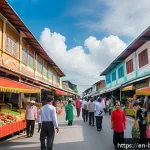
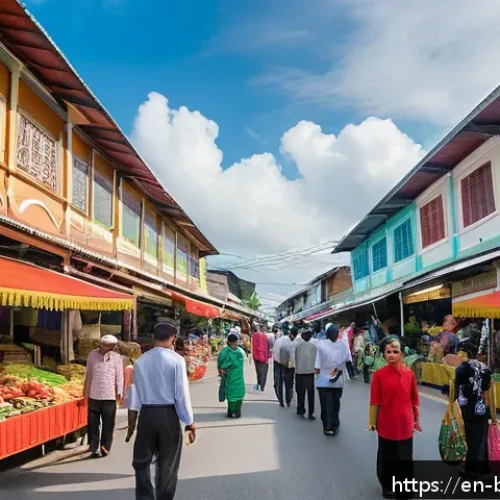
브루나이에서 영어 사용 가능성 - A vibrant urban street scene in Bandar Seri Begawan, Brunei, showing young professionals and locals ...

When planning a trip to Brunei, many travelers wonder how widely English is spoken throughout the country. While Malay is the official language, English plays a significant role in business, education, and daily communication.

브루나이에서 영어 사용 가능성 관련 이미지 1

You’ll often find signs, menus, and official documents available in English, making navigation easier for visitors. Locals, especially the younger generation and professionals, tend to have a good command of English, which can be a relief for non-Malay speakers.

Curious about how comfortable you can be speaking English in Brunei? Let’s dive deeper and get a clear picture!

Everyday Conversations and English Proficiency Among Locals

Urban vs. Rural Language Use

In Brunei’s urban centers like Bandar Seri Begawan, English is commonly spoken, especially among younger residents and professionals. You’ll notice that in offices, cafes, and shopping areas, people often switch comfortably between Malay and English, sometimes even mixing both languages in casual chats.

However, in more rural or remote areas, Malay dominates daily communication, and English proficiency may not be as widespread. That said, even in these parts, basic English understanding is often present due to the education system’s emphasis on English as a second language.

From my experience, tourists who venture outside the city might need to rely on simple Malay phrases, but a friendly smile and patience usually bridge any communication gaps.

Educational Influence on English Fluency

Brunei’s education system strongly supports English, with many schools teaching it from early grades. This means that most young adults have a solid grasp of English, especially in reading and writing.

When I talked to local students and teachers during my visit, they expressed pride in their bilingual abilities. Moreover, English is the medium of instruction in many tertiary institutions, making graduates quite comfortable with professional and academic English.

This educational background significantly boosts the overall English fluency in the country, especially in service sectors and government offices, where clear communication with international visitors is essential.

Practical Tips for Communicating in English

If you’re traveling around Brunei, you’ll find that most signs, menus, and official documents are bilingual, which makes navigation easier. However, don’t hesitate to ask locals for help if you’re unsure about anything—they are generally warm and accommodating.

When speaking English, it’s helpful to use simple, clear sentences, as accents and regional variations can sometimes affect understanding. From what I’ve observed, people appreciate when visitors make an effort to speak Malay greetings or common phrases alongside English.

This little gesture often opens doors to friendlier interactions and a more immersive cultural experience.

Advertisement

Business and Professional Settings

English in the Workplace

In Brunei’s corporate world, English is often the preferred language for meetings, reports, and official correspondence. Multinational companies, government departments, and financial institutions rely heavily on English for daily operations.

I’ve noticed that professionals switch effortlessly between Malay and English, depending on the context, but when dealing with international clients or partners, English dominates.

This fluency ensures that foreign investors and expatriates face fewer communication barriers, which positively impacts the business environment.

Networking and Conferences

Networking events, workshops, and conferences in Brunei are typically conducted in English. Attendees expect presentations, discussions, and printed materials to be in English, making it easier for foreigners to participate fully.

When I attended a local business seminar, the organizers provided simultaneous translation only occasionally, underscoring how proficient most participants were in English.

This trend reflects Brunei’s commitment to maintaining an internationally accessible business landscape and fostering global partnerships.

Language Expectations in Professional Roles

Certain professions, such as law, healthcare, and tourism, place a high value on English proficiency. Doctors, lawyers, and tour guides often converse with English-speaking clients or patients daily, so their language skills are typically excellent.

I had a chance to chat with a tour guide who told me that being fluent in English was critical to her job success and helped her connect with visitors from all over the world.

For job seekers in Brunei, demonstrating strong English skills can significantly enhance employment opportunities in these fields.

Advertisement

English in Tourism and Hospitality

Hotel and Restaurant Communication

Most hotels and restaurants in Brunei cater well to English-speaking tourists. Staff members are trained to understand and speak English, ensuring smooth check-ins, ordering meals, and addressing any guest concerns.

During my stay at a popular hotel, the front desk staff spoke impeccable English and even provided recommendations for local attractions with clear explanations.

Menus are often bilingual, and tourist information centers usually have English-speaking personnel to assist visitors effectively.

Guided Tours and English Accessibility

Tour operators in Brunei generally offer English-speaking guides who are knowledgeable about local culture, history, and natural attractions. This makes it easy for English-speaking travelers to fully enjoy sightseeing without language barriers.

I found that many guides were not only fluent in English but also passionate about sharing Brunei’s heritage, which added a personal and enriching touch to the tours.

It’s always a good idea to confirm the language preference when booking tours, but English is widely available for most popular excursions.

Challenges and Opportunities for Travelers

While English is widely spoken in the hospitality sector, some rural or eco-tourism destinations may have limited English services. Travelers should prepare by learning some basic Malay phrases or downloading offline translation apps.

On the flip side, this offers a wonderful chance to engage more deeply with local culture and practice cross-cultural communication. From my own trips, I’ve found that such interactions often lead to memorable experiences and new friendships.

Advertisement

Government Services and Public Information

브루나이에서 영어 사용 가능성 관련 이미지 2

English in Official Documents

Government websites, immigration forms, and public service announcements in Brunei are commonly available in both Malay and English. This bilingual approach ensures that foreign residents and visitors can access essential information easily.

When I reviewed visa application procedures online, the instructions were clearly written in English, which saved me a lot of time and confusion. This accessibility reflects the government’s awareness of its international audience and commitment to inclusivity.

Public Transport and Signage

Although Brunei’s public transport system is relatively limited, bus stops and stations often feature English signage alongside Malay. Road signs, tourist maps, and directions in major towns and tourist spots also use English, helping travelers navigate without much hassle.

In my experience, walking around Bandar Seri Begawan was stress-free partly because of these clear bilingual signs, which are thoughtfully designed to accommodate international visitors.

Healthcare and Emergency Services

English is widely used in hospitals and clinics, especially when dealing with foreign patients. Medical staff in urban healthcare facilities generally communicate well in English, explaining treatments and procedures clearly.

I once had to visit a clinic during my trip, and the nurse’s ability to speak English made the process smooth and less intimidating. Emergency services also often provide English-speaking operators, which is reassuring for travelers in urgent situations.

Advertisement

Language Learning Opportunities and Resources

English Language Schools and Programs

Brunei offers various English language courses for both locals and expatriates, ranging from casual conversation classes to advanced proficiency training.

Private language centers and institutions affiliated with universities provide tailored programs to improve grammar, pronunciation, and business English skills.

I attended a free workshop once, and it was impressive how interactive and practical the lessons were, focusing on real-life communication rather than rote memorization.

Community and Cultural Exchange

Several community groups and expat clubs organize informal English conversation meetups and cultural exchange events. These gatherings provide a relaxed environment for both locals and foreigners to practice English, share experiences, and learn about each other’s cultures.

Joining one of these meetups was a highlight of my stay, as it helped me connect with people from diverse backgrounds and improve my conversational English naturally.

Digital Tools and Online Resources

With Brunei’s high internet penetration, many residents use online platforms to learn and practice English. Popular apps, video tutorials, and language forums are common tools for self-study.

From chatting with locals, I learned that many prefer using interactive apps that offer gamified learning experiences, making language acquisition fun and engaging.

For travelers, downloading such resources before arrival can be a great way to get comfortable with key phrases and boost confidence in everyday interactions.

Advertisement

Summary of English Usage in Key Sectors

Sector English Usage Level Typical Contexts Notes
Daily Life (Urban) High Shopping, dining, casual conversations Young people and professionals often bilingual
Daily Life (Rural) Moderate Basic communication, some signage Malay dominant; English less common
Business Very High Meetings, reports, networking Essential for corporate and international dealings
Tourism High Hotels, tours, restaurants English-speaking guides widely available
Government Services High Forms, websites, public info Bilingual documents standard
Healthcare High Patient communication, emergency services Urban clinics fluent; rural may vary
Education Very High Schools, universities English medium instruction common
Advertisement

Conclusion

English plays a vital role across various aspects of life in Brunei, from daily conversations to professional environments. Its widespread use, especially in urban areas and education, facilitates smooth communication for locals and visitors alike. Embracing both English and Malay enriches cultural exchanges and opens doors to meaningful interactions. Overall, understanding the language dynamics in Brunei helps travelers and professionals navigate the country with greater confidence and ease.

Advertisement

Useful Information to Keep in Mind

1. English is commonly spoken in urban areas, but rural regions may require some basic Malay knowledge for smoother communication.

2. Most government services and official documents are available in both Malay and English, ensuring accessibility for foreigners.

3. In professional and business settings, English is the dominant language, making proficiency highly valuable for career opportunities.

4. Tourism and hospitality sectors are well-equipped with English-speaking staff and guides, enhancing the visitor experience.

5. Various language learning programs and community meetups provide excellent opportunities to improve English skills locally.

Advertisement

Key Takeaways

English fluency in Brunei varies by region and sector but remains strong overall, especially in education, business, and tourism. Urban populations tend to be bilingual, while rural areas lean more toward Malay. For travelers and professionals, a basic understanding of Malay alongside English can foster better connections. The government’s bilingual approach and widespread use of English in services contribute to an inclusive environment for international visitors. Investing in English proficiency can significantly enhance communication and career prospects within Brunei’s diverse social and professional landscape.

Frequently Asked Questions (FAQ) 📖

Q: Is English widely understood by locals in Brunei, especially outside major cities?

A: Yes, English is quite widely understood throughout Brunei, even beyond the main urban areas. While Malay is the official language, English is taught extensively in schools and used in business and government.
Many locals, particularly younger people and professionals, are comfortable speaking English. However, in more rural or remote areas, you might encounter some language barriers, but basic English communication is generally possible.

Q: Will I find English signage and information easily when traveling in Brunei?

A: Absolutely. English is commonly used on road signs, menus, official documents, and public notices. This makes it much easier for travelers to navigate around the country without needing to speak Malay fluently.
Tourist spots, hotels, and restaurants often provide English information and services, so you won’t feel lost trying to get around or order food.

Q: How comfortable can I expect daily conversations in English to be with locals?

A: In everyday situations like shopping, dining, or asking for directions, most Bruneians will communicate comfortably in English. From my experience, locals are friendly and patient, and many switch between Malay and English effortlessly.
Of course, showing respect by learning a few Malay phrases goes a long way, but you can definitely get by speaking only English during your visit.

📚 References


➤ Link

– Google Search

➤ Link

– Bing Search

➤ Link

– Google Search

➤ Link

– Bing Search

➤ Link

– Google Search

➤ Link

– Bing Search

➤ Link

– Google Search

➤ Link

– Bing Search

➤ Link

– Google Search

➤ Link

– Bing Search

➤ Link

– Google Search

➤ Link

– Bing Search

➤ Link

– Google Search

➤ Link

– Bing Search
Advertisement