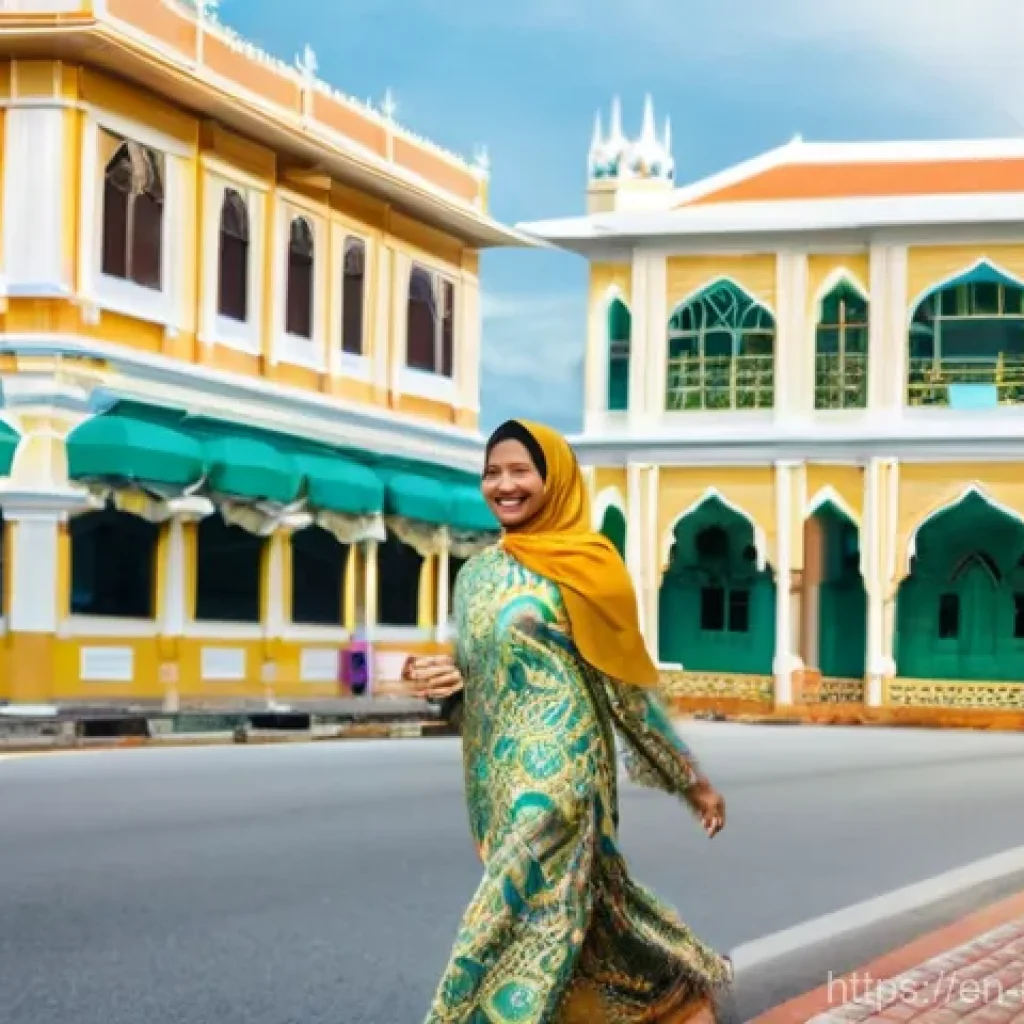
Stepping into Brunei Darussalam, “The Abode of Peace,” truly feels like discovering a hidden gem in Southeast Asia. I’ve heard countless stories and personally experienced the calm and serenity that makes this nation so unique, a refreshing contrast to some of the more bustling destinations out there.
But, just like any incredible journey, a little preparation goes a long way to ensure your trip is not just unforgettable, but also incredibly smooth and safe.
While Brunei boasts an enviably low crime rate, making you feel genuinely secure even exploring late into the evening, it’s those subtle cultural nuances and smart traveler habits that truly elevate your experience and protect your peace of mind.
It’s not just about avoiding trouble, it’s about embracing the local way of life with respect and confidence. From what I’ve seen, understanding these vital tips is the secret sauce to unlocking the deepest layers of Brunei’s charm.
So, if you’re keen to explore this fascinating country without a hitch, keeping your wits about you while respecting its rich traditions is paramount in today’s travel landscape, where cultural awareness is as crucial as keeping your belongings secure.
Let’s dive in and accurately uncover exactly what you need to know to stay safe and thrive in beautiful Brunei!
Diving Deep into Brunei’s Rich Cultural Tapestry
Understanding the Pillars of Respect and Modesty
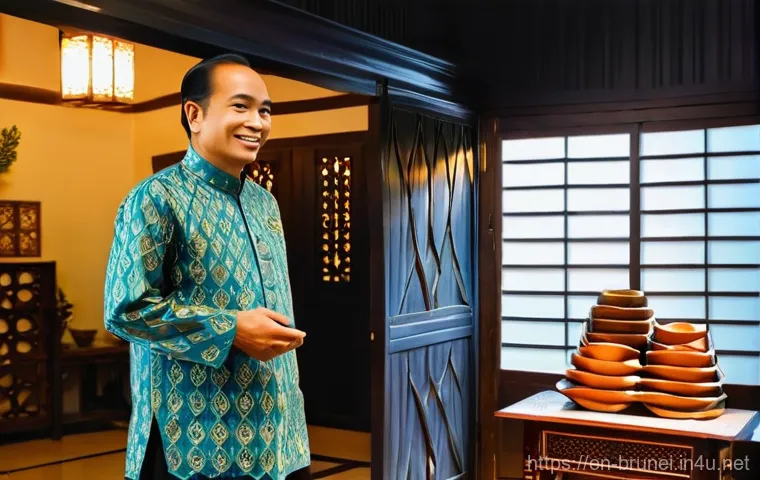
When I first started exploring Brunei, what struck me most wasn’t just its stunning architecture or lush landscapes, but the palpable sense of deep respect that permeates every interaction.
It’s truly a cornerstone of their society, and as a visitor, embracing this cultural code isn’t just polite, it’s essential for a smooth and enriching experience.
I quickly learned that modesty in dress, particularly for women, is highly valued. This means opting for clothing that covers your shoulders and knees, especially when visiting mosques or government buildings.
I remember one instance where I almost wore a sleeveless top to a local market, and a kind local subtly reminded me, with a warm smile, that a light scarf might be a good idea.
It wasn’t accusatory, just helpful, and it reinforced for me how deeply ingrained these values are. This isn’t about restriction; it’s about showing deference to a beautiful and long-standing tradition.
You’ll find that people are incredibly welcoming when you make an effort to understand and adapt. It feels like you’re not just a tourist, but a guest truly being invited into their world, and that’s a privilege you won’t want to miss.
Navigating Social Etiquette: Gestures and Greetings
Beyond dress, the subtleties of social interaction are fascinating and crucial. A handshake is common, but always remember to use your right hand, especially when offering or receiving anything – food, money, or gifts.
The left hand is generally considered unclean in Islamic culture. I’ve personally found that a slight bow or a hand placed over the chest after a handshake shows an extra layer of respect that locals genuinely appreciate.
It’s these small gestures that transform a transactional interaction into a genuine connection. When visiting someone’s home, it’s customary to remove your shoes before entering, a practice I’ve observed in many Southeast Asian homes and always try to remember.
It’s not just a hygiene thing; it’s a sign that you honor their space and the warmth of their hospitality. Also, pointing with your index finger can be seen as rude; instead, use your thumb with your other fingers curled under.
These aren’t just rules to follow; they are pathways to experiencing the true warmth of Bruneian hospitality. By showing this level of awareness, you’ll open doors to conversations and experiences you might otherwise miss, truly feeling the ‘Abode of Peace’ live up to its name.
Mastering Your Movements: Getting Around Brunei with Confidence
Navigating Public Transport and Taxis
When you’re exploring a new place, getting around can sometimes feel like a puzzle, but in Brunei, it’s generally quite straightforward once you get the hang of it.
My preferred method, especially for convenience, has often been taxis. You’ll find that taxi services are reliable, though perhaps not as plentiful as in some bustling metropolises, so sometimes a little planning, especially outside of Bandar Seri Begawan, is wise.
I’ve found it’s always best to agree on the fare before you start your journey or ensure the meter is running. While Brunei has a low crime rate, being clear about costs just makes for a smoother ride, preventing any misunderstandings at the end.
For longer trips, sometimes arranging a car through your hotel or a reputable local app (if available) can offer peace of mind. Public buses also exist, connecting various parts of the city and beyond, and they’re a fantastic, budget-friendly option if you’re not in a rush and want to experience local life a bit more.
I once spent an afternoon just riding the buses, absorbing the sights and sounds – it’s a great way to feel truly immersed and connect with the rhythm of daily life.
Driving Yourself: Tips for the Road
If you’re like me and enjoy the freedom of driving yourself, renting a car in Brunei is a viable option. The roads are generally well-maintained and traffic, outside of peak hours in the capital, is usually manageable.
What I quickly noticed is that Bruneians are generally polite drivers, which is always a relief when you’re navigating unfamiliar roads. However, always remember to drive on the left side of the road, which can be a bit of an adjustment if you’re coming from a right-hand driving country.
I always make it a point to thoroughly check the rental car for any existing damage before driving off and taking photos as proof, just in case. And, of course, sticking to speed limits is not just about avoiding fines; it’s about respecting local laws and ensuring everyone’s safety.
Parking is usually abundant, especially outside the very central areas, making self-driving a convenient way to reach some of the more secluded natural parks or coastal spots that aren’t easily accessible by public transport.
The open road here, with its lush scenery, truly offers a different perspective of this peaceful nation, letting you discover hidden corners at your own pace.
Protecting Your Possessions: Smart Habits for Peace of Mind
Keeping Your Valuables Discreet and Secure
Even in a place as serene and safe as Brunei, exercising a bit of common sense when it comes to your belongings goes a long, long way. I’ve always operated under the principle of “out of sight, out of mind,” and it serves me well everywhere, Brunei included.
This means avoiding overtly flashy jewelry or designer gadgets that might draw unnecessary attention. It’s not about fear, but about being subtly smart and blending in.
When I’m out and about, I make sure my wallet is in a front pocket, and my backpack or purse is always zipped up and close to my body, especially in busier areas like Gadong Night Market or Bandar Seri Begawan’s main commercial streets.
I distinctly remember a time in another country where I got complacent, and a small item went missing – that taught me a valuable lesson. In Brunei, while the risk is significantly lower, maintaining these habits just means you can truly relax and soak in the culture without a nagging worry in the back of your mind.
It’s about being present and enjoying the moment, knowing you’ve taken simple, effective precautions to protect your peace of mind.
Utilizing Hotel Safes and Digital Awareness
Your accommodation should be your sanctuary, and I always take full advantage of the security measures they offer. The first thing I do upon checking into any hotel, whether it’s a luxury stay or a more modest guesthouse, is locate the in-room safe.
This is where my passport, extra cash, and any expensive electronics I’m not carrying go immediately. Leaving these items just lying around your room, even when the door is locked, is an unnecessary risk.
Furthermore, in today’s interconnected world, digital security is just as important as physical security. Be mindful of public Wi-Fi networks; while convenient, they can sometimes be less secure.
I usually rely on my mobile data or a trusted VPN service when I need to access sensitive information. It’s not just about protecting your bank details, but also your personal identity.
These seemingly small steps collectively build a robust shield around your peace of mind, allowing you to fully immerse yourself in Brunei’s charm without a single worry about your valuables or digital footprint.
It’s about proactive rather than reactive safety, ensuring your entire trip runs without a hitch.
| Area of Concern | What I Do (and You Should Too!) |
|---|---|
| Personal Belongings | Always keep your bags in front of you, especially in crowded markets. I never leave my phone unattended, even for a second, on a table. Using a cross-body bag offers extra security and comfort. |
| Accommodation Safety | Ensure your hotel room door is double-locked. I always use the safe for passports, spare cash, and important documents, never leaving them exposed. Checking reviews for security before booking is also a good habit. |
| Digital Security | Be wary of public Wi-Fi for sensitive transactions. I use a VPN for everything and disable auto-connect features on my devices. Always keep your software updated to patch vulnerabilities and secure your online presence. |
| ATM Usage | Only use ATMs in well-lit, busy areas or inside bank branches. I always cover the keypad when entering my PIN, no matter how safe I feel, and check for any suspicious attachments to the machine. |
Staying Healthy and Happy: A Traveler’s Wellness Guide
Mindful Eating and Hydration for a Happy Tummy
One of the joys of travel is diving into local cuisine, and Brunei is no exception with its delicious Malay-influenced dishes. However, to truly enjoy it without any unwelcome interruptions, being mindful of what and where you eat is key.
I’ve learned, sometimes the hard way, that while street food can be incredibly tempting and often safe, it’s always a good idea to observe where the locals are eating and choose vendors with a high turnover of fresh ingredients.
I generally stick to cooked food, making sure it’s served hot, and avoid raw or undercooked items if I’m unsure about hygiene standards. Bottled water is your best friend here; tap water isn’t generally recommended for drinking, and staying well-hydrated is crucial in Brunei’s tropical climate.
I always carry a reusable water bottle and refill it from trusted sources or buy sealed bottles. Trust me, nothing dampens an amazing trip faster than an upset stomach, so a little caution goes a long way in keeping you energized for all your adventures and ready to explore.
Preparedness for Minor Ailments and Emergencies
Even the most seasoned travelers can encounter minor health hiccups, and being prepared means you can deal with them swiftly and effectively. I always pack a small, but comprehensive, first-aid kit that includes essentials like pain relievers, antiseptic wipes, band-aids, and any personal medications.
It’s better to have it and not need it than to need it and not have it! While Brunei has modern medical facilities, knowing where the nearest pharmacy or clinic is, especially around your accommodation, can be incredibly reassuring.
I make it a point to quickly search for these locations on my map app upon arrival. Additionally, consider travel insurance before you go. It might seem like an extra expense, but having comprehensive coverage for medical emergencies, delayed flights, or lost luggage provides an invaluable safety net.
I’ve heard too many stories of travelers facing unexpected costs, and honestly, the peace of mind that travel insurance offers is priceless. It lets you explore with confidence, knowing you’re covered no matter what unexpected curveballs come your way, allowing you to truly relax and enjoy your journey.
Connecting Authentically: Building Bridges with Bruneian Hospitality
Engaging Respectfully with Local Communities
The real magic of Brunei, for me, often lies in its people. They are genuinely warm, polite, and incredibly welcoming, and making an effort to connect with them has always been the highlight of my trips.
The key, I’ve found, is approaching interactions with an open heart and a deep sense of respect for their conservative culture. A simple “Assalamualaikum” (peace be upon you) or “Terima Kasih” (thank you) in Malay can truly light up a local’s face and instantly bridge gaps.
I remember trying to order coffee at a small shop, and my attempt at a few Malay phrases led to a delightful conversation with the barista about local customs.
These aren’t just polite formalities; they’re genuine expressions of respect that Bruneians appreciate. Taking the time to learn a few basic phrases not only shows your interest but also opens doors to more meaningful exchanges, allowing you to glimpse the true spirit of this peaceful nation beyond its well-known landmarks.
It’s these human connections that truly make a trip unforgettable and personally enriching.
Supporting Local Artisans and Businesses Ethically
Beyond cultural exchanges, I always make a conscious effort to support local economies, and Brunei offers wonderful opportunities to do just that. When I’m looking for souvenirs or gifts, I seek out artisan markets or small local shops rather than generic tourist traps.
You’ll often find beautifully crafted traditional textiles, unique handicrafts, and local delicacies that tell a story about Brunei’s heritage. It’s not just about buying a product; it’s about appreciating the skill, time, and tradition that goes into making it, and directly supporting the livelihoods of the local people.
I’ve had some of my most memorable travel moments haggling (politely, of course!) with a vendor, learning about their craft, and feeling a real connection.
This also means being mindful of bargaining practices – do it respectfully and fairly, understanding that a few extra Brunei dollars to you can make a significant difference to a local artisan.
These kinds of ethical travel choices don’t just feel good; they contribute to a sustainable and vibrant local culture, enriching your trip in a deeply personal way and leaving a positive impact long after you’ve left.
Concluding Thoughts
Okay, so after all this talk about embracing Brunei’s unique culture, navigating its roads, and keeping safe, what’s the real takeaway? For me, it’s that Brunei is a truly special place, a serene haven that often gets overlooked, but absolutely shouldn’t. It’s not just the stunning mosques or the untouched rainforests; it’s the genuine warmth of its people and the deeply ingrained sense of peace that makes every visit so memorable. When you travel here with an open mind and a respectful heart, you don’t just see a country; you truly experience its soul. So, pack your bags, prepare to be charmed, and allow yourself to be immersed in the tranquility and rich heritage of this remarkable “Abode of Peace.” You’ll leave feeling not just like a tourist, but like a welcomed guest, and that’s an experience money simply can’t buy.
Useful Information to Know
1. Currency and Cash: The official currency in Brunei is the Brunei Dollar (BND), which is pegged to the Singapore Dollar (SGD) at a 1:1 ratio. This means you can often use Singaporean dollars interchangeably in Brunei, which is a fantastic convenience! While credit cards are accepted in major hotels, larger restaurants, and shopping malls, I’ve found it’s always wise to carry enough cash, especially for smaller local eateries, night markets, and rural areas. ATMs are widely available in towns and cities, but it’s always a good idea to withdraw enough cash before venturing out to more remote spots. Having small denominations is also super helpful for those quick purchases and street food delights.
2. Connectivity – Staying Connected: Getting a local SIM card upon arrival is usually my first go-to for staying connected, and it’s surprisingly easy in Brunei. Major providers like DST and Progresif offer tourist-friendly packages with decent data allowances. This makes navigating with maps, checking local information, and staying in touch with loved ones back home a breeze. While many hotels and cafes offer free Wi-Fi, having your own data ensures reliable internet access wherever you go, which is a lifesaver for quickly looking up opening hours or finding that perfect little eatery I heard about. Trust me, uninterrupted connectivity makes exploring so much smoother!
3. Language Basics for Brighter Interactions: While English is widely understood, especially in business and tourism sectors, making an effort to learn a few basic Malay phrases genuinely enriches your interactions. Simple greetings like “Assalamualaikum” (peace be upon you), “Terima Kasih” (thank you), and “Selamat Pagi/Siang/Sore/Malam” (Good Morning/Afternoon/Evening/Night) go a very long way. Locals truly appreciate the effort, and it often leads to warmer smiles and more engaging conversations. I’ve personally experienced how these small gestures can transform a quick transaction into a memorable cultural exchange, helping you feel more like a part of the community rather than just a visitor.
4. Respecting Religious Practices and Ramadan: Brunei is an Islamic nation, and respecting its religious customs is paramount. During the holy month of Ramadan, which shifts annually based on the Islamic calendar, things operate a little differently. Many restaurants may close during fasting hours (sunrise to sunset) or operate with reduced hours, and it’s customary to avoid eating, drinking, or smoking in public during the day out of respect for those who are fasting. While tourist attractions generally remain open, you might notice a more subdued atmosphere. Being aware of these practices not only shows respect but also helps you plan your activities accordingly, ensuring a smooth and culturally sensitive trip.
5. Dress Code for Mosque Visits: When planning to visit Brunei’s magnificent mosques, like the Sultan Omar Ali Saifuddien Mosque or Jame’ Asr Hassanil Bolkiah Mosque, remember that there’s a specific dress code to adhere to. Both men and women are expected to dress modestly, with shoulders and knees covered. For women, headscarves are also required. Don’t worry if you don’t have suitable attire; most mosques offer robes and headscarves for visitors to borrow free of charge, which I’ve found to be incredibly convenient. It’s a small step to take that demonstrates your respect for their sacred spaces and allows you to fully appreciate the stunning architecture and spiritual ambiance.
Key Takeaways
Bringing it all together, my journey through Brunei has taught me that the true essence of travel here lies in a mindful approach. Prioritize cultural respect by dressing modestly and understanding local customs; it genuinely opens doors to authentic experiences. When it comes to practicalities, embrace local transportation options, but don’t shy away from the freedom of a rental car for those off-the-beaten-path adventures. Above all, maintain smart safety habits for your belongings and digital life – it’s about peace of mind, not paranoia. And always, always stay hydrated and be prepared for minor health issues. By doing so, you’re not just visiting Brunei; you’re truly connecting with its spirit, leaving with stories that are richer, deeper, and far more meaningful than any postcard could ever convey.
Frequently Asked Questions (FAQ) 📖
Q: What are the most important cultural customs and dress codes travelers should be aware of to ensure a respectful and smooth visit to Brunei?
A: From my own experiences and what I’ve learned chatting with locals, Brunei is genuinely welcoming, and Bruneians understand that visitors might not be fully familiar with all their customs.
That said, showing a little effort goes a long way in demonstrating respect. The big one is definitely dressing modestly. When you’re out and about in public, think conservative – covering your shoulders, knees, and cleavage is a good rule of thumb.
I found that loose-fitting clothes, like full-length pants and shirts with at least elbow-length sleeves, are perfectly acceptable and comfortable in the warm climate.
When you’re visiting a mosque, it’s a bit stricter: women should cover their heads, and both men and women need to make sure their knees and arms aren’t exposed.
Shoes always come off before entering. Don’t worry if you don’t have a headscarf; some of the larger mosques, like the Omar Ali Saifuddien Mosque, actually provide robes you can borrow at the entrance, which I found super helpful.
Beyond dress, a few social graces make a real difference. Bruneians often greet by lightly touching hands and then bringing their hand to their chest.
Don’t be offended if someone of the opposite sex doesn’t shake your hand; a polite smile is absolutely fine. Also, try to avoid pointing with your index finger.
Instead, use your right thumb with your other fingers folded beneath it – it’s a more respectful gesture. When offering or receiving anything, especially food or gifts, always use your right hand.
The left hand is generally considered unclean. And during the fasting month of Ramadan, it’s thoughtful to avoid eating or drinking in front of Muslims from sunrise to sundown.
Overall, just remember that respect for their Islamic traditions and the Royal Family is paramount.
Q: Beyond its low crime rate, what practical safety tips should visitors keep in mind for a truly secure and comfortable journey in Brunei, especially concerning health and getting around?
A: While Brunei’s incredibly low crime rate makes you feel wonderfully safe, even at night (I’ve personally enjoyed evening strolls without a hint of worry!), it’s still smart to have a few practical tips up your sleeve for a smooth trip.
Firstly, health. Always a good idea to ensure your routine vaccinations are up to date before you travel anywhere in Southeast Asia. While not specific to Brunei, general travel health advice like carrying any necessary prescription medications, sunblock, and insect repellent is always wise, especially if you plan to explore the lush rainforests or national parks like Ulu Temburong.
The climate is tropical, so expect humidity and be prepared for occasional rainfall, even in the dry season. Light, breathable fabrics like cotton are your best friends here to stay comfortable.
When it comes to getting around, public transportation can be a bit tricky. Buses exist, but their schedules aren’t always super reliable, and they might not cover all areas you want to see.
Taxis or ride-sharing apps are available, but they can be pricier for shorter distances. If you’re planning extensive exploration, renting a car might be an option, but remember to drive cautiously.
For short hops, especially across the Brunei River to places like Kampong Ayer, the water taxis are fantastic and very convenient, usually just a few Brunei dollars.
One thing I’ve learned is to be aware of the wildlife, especially if you’re venturing into nature areas. While rare, saltwater crocodiles can be present in rivers, so it’s best to avoid swimming in unfamiliar waters.
And keep an eye on your belongings around monkeys, as some have become quite clever! Finally, always treat topics concerning religion and the Royal Family with utmost respect; criticism of either is generally not welcomed.
Q: How can I best interact with locals and navigate social situations in Brunei to embrace the local way of life with confidence and respect?
A: I’ve found that the key to connecting with Bruneians and truly embracing their way of life comes down to politeness, patience, and a genuine curiosity.
They are, from my experience, incredibly friendly and welcoming people who are often happy to chat with visitors. One crucial aspect is their communication style, which tends to be more indirect than what some Westerners might be used to.
This is often to maintain ‘face’ – essentially, to avoid causing embarrassment or disharmony for anyone involved. So, you might find answers less direct, or strong emotions like anger are usually avoided.
Just try to keep your own demeanor calm and respectful, and you’ll fit right in. As I mentioned earlier, English is widely spoken, especially in urban areas and for business, so you’ll usually have no trouble communicating, which is a huge plus!
Knowing a few basic Malay phrases like ” terima kasih ” (thank you) can also be a nice touch and is always appreciated. When it comes to social situations, especially if you’re invited to someone’s home (which is a wonderful experience!), remember to remove your shoes before entering.
If food or drink is offered, it’s polite to accept at least a little, even if you just touch the plate with your right hand to decline. Public displays of affection are generally frowned upon, so keep things modest and respectful in public spaces.
Also, be mindful of sitting postures; avoid pointing the bottom of your feet at anyone or anything, as this can be seen as disrespectful. And here’s a little tip I’ve picked up: don’t be surprised if the evenings in Brunei, especially outside of major festivities like the Sultan’s birthday, feel a bit quiet.
It’s not a bustling nightlife kind of place, but rather serene and peaceful, which I personally find quite charming. Embrace the calm, perhaps enjoy a quiet coffee, or explore a night market like Gadong for delicious street food.
It’s all part of the unique, tranquil charm of Brunei.