
Oh, if you’re anything like me, you live for those moments when you stumble upon a true hidden gem, especially in the wild! And let me tell you, Brunei?
It’s exactly that for birdwatching enthusiasts. Nestled away in Borneo, this serene nation boasts some of the most untouched rainforests on Earth, creating a vibrant sanctuary for an astonishing array of avian life you might not even know existed.
I’ve personally been captivated by the sheer variety, from flamboyant broadbills flitting through the canopy to elusive hornbills making their majestic calls.
It’s an experience that truly connects you with nature on a profound level, offering a rare glimpse into a thriving ecosystem far removed from the usual tourist trails.
If you’re ready to discover the best spots where these feathered wonders put on their daily show, then you’ll absolutely want to dive into what I’ve uncovered.
Let’s explore the magical birdwatching havens Brunei has to offer.
Canopy Kingdom: Ulu Temburong’s Unspoiled Majesty
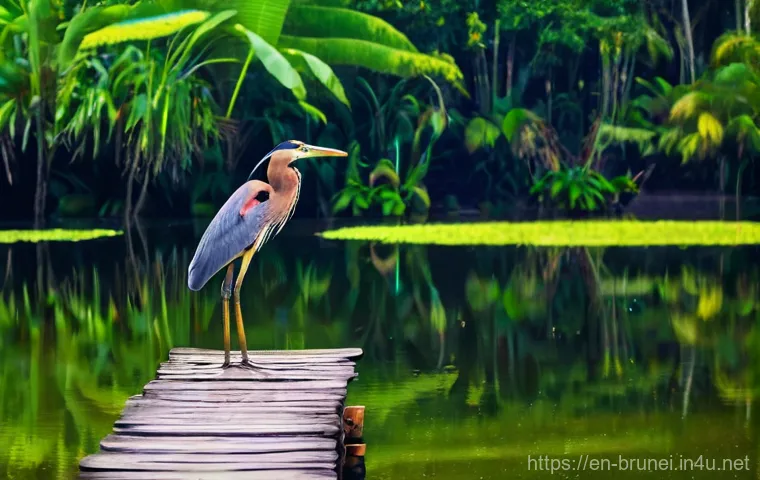
Imagine standing high above the rainforest, as the first rays of dawn paint the sky in hues of orange and pink, and the symphony of the jungle truly awakens.
That’s precisely the magic of Ulu Temburong National Park. This place isn’t just a park; it’s a testament to untouched wilderness, a pristine primary lowland forest covering 50,000 hectares that truly feels like stepping into another world.
I remember feeling utterly overwhelmed, in the best possible way, by the sheer scale of biodiversity here. It’s an Important Bird Area (IBA) because its habitats generously support a significant number of threatened bird species, making it a hotspot for serious birders and nature lovers alike.
The journey itself is an adventure, often involving a thrilling longboat ride along winding rivers, which just adds to the sense of discovery. When I first visited, the anticipation built with every turn of the river, and then, boom!
You’re there, immersed in an ecosystem so vibrant it almost feels animated. This remote sanctuary, often called the “Green Jewel of Brunei,” is a place where you can genuinely feel the pulse of nature, and it’s a feeling that stays with you long after you’ve left.
The sheer abundance of life, from tiny insects to majestic hornbills, is astounding, and it’s a living, breathing example of successful forest protection policies.
Ascending the Giants: The Canopy Walkway Experience
The Canopy Walkway in Ulu Temburong is, without a doubt, a highlight. Rising some 50 meters above the forest floor, it puts you right at eye-level with the tallest trees, offering a truly unique perspective on the canopy’s inhabitants.
I’ve always found that being up there, feeling the slight sway as you take in the panoramic views of the verdant expanse, provides unparalleled birdwatching opportunities.
It’s early morning where the magic truly happens, catching the sunrise as the forest birds begin their daily chorus. You’re not just looking *at* the forest; you’re *in* it, a part of its upper ecosystem.
Forest Floor Finds: Hidden Gems of Ulu Temburong
While the canopy walkway offers breathtaking views, don’t underestimate the wonders lurking on the forest floor and along the rivers. Ulu Temburong is home to over 220 listed bird species, including the Spectacled flowerpecker, Rufous-bellied eagle, and the impressive Helmeted Hornbill.
Moving quietly through the trails, I’ve had incredible moments spotting smaller, more elusive species, their calls echoing through the dense foliage. It’s a different kind of thrill, a more intimate encounter with nature that requires patience and a keen ear.
Keep an eye out for the vibrant Black-and-yellow Broadbill, often seen foraging, and along the rivers, the swiftlets darting for insects.
Serene Waters & Swamps: Tasek Merimbun’s Avian Treasures
Tasek Merimbun Heritage Park, Brunei’s largest natural lake, is a captivating sanctuary about an hour and a half from the capital, and trust me, it’s worth every minute of the drive.
This S-shaped blackwater lake, surrounded by 7,800 hectares of peat swamp forest, feels incredibly peaceful, almost otherworldly with its dark, tannin-stained waters.
My first visit here, I was immediately struck by the tranquility, a stark contrast to the vibrant, bustling rainforest. It’s a haven for waterbirds and also offers excellent opportunities for spotting various forest birds within its diverse habitats, which include freshwater swamp forests and lowland mixed dipterocarp forests.
This park is not just visually stunning; it’s also a designated ASEAN Heritage Park, underscoring its immense importance for biodiversity conservation and cultural heritage.
It’s a place where you can truly slow down, breathe in the fresh, humid air, and allow yourself to be absorbed by the quiet drama of nature unfolding around you.
The unique ecosystem here has supported a rich variety of fauna for centuries, providing a crucial habitat that makes birdwatching here incredibly rewarding.
Lakeside Legends: Waterbirds and Wetland Dwellers
The lake itself, Tasek Merimbun, is a magnet for a plethora of bird species, particularly waterbirds. I’ve personally been fortunate enough to spot the majestic Purple Heron gracefully wading through the shallows and the striking Oriental Darter.
The park is an Important Bird Area (IBA) due to its role in supporting threatened species like Storm’s Stork, a truly magnificent sight if you’re lucky enough to encounter one.
Beyond the lake, the surrounding peat swamps provide crucial habitats for species that are increasingly rare elsewhere. Expect to see various kingfishers, egrets, and perhaps even some migratory species during the cooler months between November and April.
Forest Fringes: Exploring the Edges of Tasek Merimbun
Beyond the open water, the forest fringes and small islands within Tasek Merimbun offer a different spectrum of avian life. The park is home to over 200 bird species in total, including all eight species of hornbills found in Borneo, which is just incredible.
I found that exploring the elevated walkways and trails allowed for closer encounters with forest dwellers like various bulbuls, sunbirds, and perhaps even the elusive Great Argus pheasant.
It’s a fascinating blend of aquatic and terrestrial birdlife, offering something new around every corner, and I always advise taking your time to really listen and look closely.
Coastal Charms: Mangrove Mazes and Riverine Riches
Brunei’s coastlines and riverine areas are dramatically different from the deep rainforests, yet they offer an equally captivating birdwatching experience.
The expansive mangrove forests, in particular, are teeming with life, acting as critical nurseries and feeding grounds for a specialized community of birds.
I’ve spent countless serene mornings navigating these narrow, winding channels by boat, feeling completely immersed in a unique ecosystem where the land meets the sea.
The tranquility here is profound, punctuated only by the calls of birds and the gentle lapping of water. It’s a place where you truly appreciate nature’s resilience and adaptability.
These mangroves aren’t just important locally; they’re packed with rare and exotic birds and animals that are unique to Borneo, making every sighting feel like a special discovery.
The sheer density of life supported by these vital coastal habitats is something that never ceases to amaze me.
Watery World: Mangrove and Estuary Specialists
The Brunei River and its surrounding mangroves are prime locations for spotting a range of coastal and riverine birds. I’ve had fantastic luck here with species like the Whiskered Tern gracefully diving for food, the striking Stork-billed Kingfisher perched patiently, and the powerful White-bellied Sea Eagle soaring overhead.
These areas are also crucial for threatened species such as Storm’s Stork and the Lesser Adjutant. There’s something truly exhilarating about spotting an Osprey or a Brahminy Kite circling high above the water, a testament to the rich food sources found in these estuarine environments.
The unique habitat supports birds that thrive in brackish waters, creating a specialized and fascinating birding landscape.
Paddy Fields & Freshwater Swamps: Beyond the Salty Shores
Venturing slightly inland from the coast, Brunei also offers freshwater swamps and paddy fields, like the Wasan Rice Fields, which attract a different set of feathered visitors.
I find these areas particularly interesting during migration seasons (November to April) when you can observe various ducks, warblers, and sandpipers.
It’s a wonderful contrast to the dense forests and the salty mangroves, showcasing yet another facet of Brunei’s diverse birdlife. Keep an eye out for resident Borneo species here too, such as Egrets, the Straw-headed Bulbul, and the Blue-breasted Quail.
Early Birds and Twilight Tales: Optimal Viewing Times
Anyone who’s done a fair bit of birdwatching will tell you that timing is absolutely everything, and Brunei is no exception. There are certain windows in the day when the avian activity simply explodes, offering the most vibrant and frequent sightings.
I’ve learned through my own adventures that being an early riser truly pays off in the tropics; the rewards are just too good to miss! It’s not just about seeing more birds; it’s about experiencing the jungle when it’s at its most alive, its most vocal, and frankly, its most magical.
There’s a particular energy in the air during these times that just can’t be replicated later in the day. Understanding these peak activity periods can dramatically enhance your birding success and overall enjoyment of Brunei’s incredible natural offerings.
Dawn Chorus: The Early Morning Spectacle
Hands down, the best time to go birdwatching in Brunei is during the early morning hours, typically from 6:00 AM to 10:00 AM. This is when the forest truly comes alive, and countless species emerge to feed, sing, and establish their territories before the midday heat settles in.
I remember one morning in Ulu Temburong, perched on the canopy walkway, watching the sunrise as the cacophony of bird calls swelled around me – it was absolutely breathtaking.
The light is also soft and beautiful at this time, perfect for photography, and the air is much cooler and fresher, making for a much more comfortable experience.
You’ll find that birds are more active and less concealed, providing ample opportunities for identification and observation.
Golden Hours: Late Afternoon Rendezvous

If you’re not an early bird, or if you want a second chance at spotting some elusive species, the late afternoon, usually from 4:00 PM to 6:30 PM, is another fantastic window.
As the heat of the day subsides, many birds become active again, often foraging for a last meal before roosting for the night. I’ve had some particularly rewarding sightings during these ‘golden hours,’ when the light is just perfect, revealing the intricate details of plumage that might be missed in harsher midday sun.
It’s also a great time to listen for nocturnal or crepuscular birds beginning their evening calls, adding a different layer to the jungle’s soundtrack.
Beyond the Binoculars: Essential Gear for Brunei Birding
Embarking on a birdwatching adventure in Brunei isn’t just about showing up; it’s about being prepared to truly immerse yourself in the experience. Having the right gear can make all the difference, not just in spotting those incredible birds, but also in ensuring your comfort and safety in the humid, tropical environment.
I’ve learned this firsthand through many sweaty, bug-bitten, but ultimately rewarding excursions. It’s not about packing everything you own, but rather a thoughtful selection of essentials that will enhance your connection with nature and help you capture those fleeting moments.
Trust me, a little preparation goes a long way in maximizing your enjoyment of Brunei’s spectacular avian biodiversity.
Your Eyes to the Sky: Optics and Guides
First and foremost, a good pair of binoculars is non-negotiable. It’s your primary tool for bringing those distant flitting forms into sharp focus. I personally prefer a lightweight pair with at least 8x magnification – enough power to see detail without being too shaky to hold steady for long periods.
Couple that with a reliable field guide to the Birds of Borneo (or at least Southeast Asia), and you’re off to a great start. Having a guide helps tremendously with identification in the field.
I always bring a small notebook and a waterproof pen to jot down sightings, locations, and any unique behaviors I observe. These notes become invaluable later for identification and remembering the sheer joy of the moment.
Comfort in the Wild: Clothing and Protection
Given Brunei’s tropical climate, lightweight, breathable clothing is key. I usually opt for long sleeves and trousers in neutral colors to offer protection from insects and the sun, without feeling too heavy.
Good hiking shoes with excellent grip are absolutely essential, as trails can be uneven and muddy, especially after rain. And please, *never* forget insect repellent!
Mosquitoes and other biting insects are part of the rainforest experience, but you don’t want them ruining your focus. Staying hydrated is also crucial, so always carry ample water.
Trust me, feeling comfortable allows you to be fully present and enjoy every single bird sighting.
Here’s a quick look at some key birdwatching spots and what to expect:
| Birding Location | Main Habitat Type | Notable Bird Species | Best Time to Visit |
|---|---|---|---|
| Ulu Temburong National Park | Pristine Rainforest, Canopy | Helmeted Hornbill, Spectacled Flowerpecker, Rufous-bellied Eagle, Black-and-yellow Broadbill | Early morning (6-10 AM) |
| Tasek Merimbun Heritage Park | Freshwater Lake, Peat Swamp Forest | Purple Heron, Oriental Darter, Storm’s Stork (rare), Great Argus | Early morning & late afternoon (4-6:30 PM) |
| Mangrove Rivers (Brunei River) | Mangrove Forests, Estuaries | Whiskered Tern, Stork-billed Kingfisher, White-bellied Sea Eagle, Brahminy Kite, Osprey | Early morning & late afternoon (4-6:30 PM) |
| Wasan Rice Fields | Paddy Fields, Swamplands | Lesser Adjutant, Egrets, Straw-headed Bulbul, various migratory water birds | Migratory season (Nov-April), Early morning & late afternoon |
Respecting the Feathered Residents: Ethical Birdwatching
As avid birdwatchers, we carry a unique responsibility to ensure that our passion doesn’t inadvertently harm the very creatures we adore. Brunei’s ecosystems are fragile and incredibly rich, and it’s up to us to be stewards of these natural wonders.
I’ve always believed that the truly profound moments in nature come from observation, not disturbance. When you’re out there, surrounded by the incredible biodiversity that Brunei offers, it’s easy to get carried away in the thrill of a sighting.
However, it’s during these moments that practicing ethical birdwatching becomes paramount. It’s about blending in, becoming a quiet observer, and leaving no trace, ensuring that future generations can experience the same untouched beauty we cherish today.
Minimizing Disturbance: Being a Quiet Observer
The golden rule of birdwatching is always to prioritize the birds’ well-being. This means maintaining a respectful distance, never flushing birds from nests or roosting sites, and keeping noise to a minimum.
I always try to move slowly and deliberately, letting the birds dictate the encounter. It’s truly a privilege to witness them in their natural habitat, and we should never disrupt their natural behaviors for a closer look or a better photo.
Using playback (playing bird calls to attract them) should be done with extreme caution, if at all, as it can stress birds and interfere with their breeding or territorial defense.
Our goal is to observe, not to interfere.
Leave No Trace: Protecting Their Home
It goes without saying, but always practice “Leave No Trace” principles. Pack out everything you pack in, and avoid disturbing any vegetation or natural formations.
Brunei’s pristine rainforests and wetlands are irreplaceable, and every piece of litter or broken branch can have a ripple effect on the ecosystem. I always make sure to stay on marked trails whenever possible, to prevent accidental damage to sensitive habitats.
By being mindful of our impact, we ensure that these magnificent birds continue to thrive in their unspoiled homes for years to come.
Wrapping Up Our Feathered Journey
Well, what an incredible journey we’ve had through Brunei’s lush, vibrant birdwatching havens! I truly hope this little guide has sparked that adventurous spirit within you, just as these places have continuously inspired me. From the soaring heights of Ulu Temburong’s canopy to the tranquil depths of Tasek Merimbun and the bustling life of the mangrove rivers, Brunei offers an unparalleled opportunity to connect with nature on a profoundly intimate level. It’s more than just ticking off species; it’s about experiencing the raw, untamed beauty of Borneo, a privilege that truly stays with you. If you’re yearning for an adventure that combines stunning natural beauty with incredible avian encounters, then pack your bags and get ready to fall in love with Brunei’s feathered wonders – I promise you won’t regret it.
Handy Tips for Your Brunei Birding Adventure
1. Embrace Local Expertise: While it’s fun to explore on your own, consider hiring a local guide, especially for places like Ulu Temburong. Their intimate knowledge of the terrain, bird calls, and best viewing spots can dramatically enhance your experience and help you spot species you might otherwise miss. Trust me, it’s worth every penny for those once-in-a-lifetime sightings.
2. Respect the Environment and Culture: Brunei is a beautiful, peaceful nation with strong conservation efforts and a rich culture. Always respect local customs, dress modestly, and remember that you are a guest in these incredible natural habitats. Leave no trace, stick to designated paths, and keep noise to a minimum to ensure the birds and other wildlife are undisturbed.
3. Pack Smart, Not Heavy: The tropical climate means humidity and occasional rain are a given. Focus on lightweight, breathable, quick-drying clothing (long sleeves and pants are great for sun and insect protection), and sturdy, waterproof hiking shoes. A small, waterproof daypack is also invaluable for your essentials.
4. Hydration and Sun Protection are Key: It gets warm and humid out there! Always carry plenty of water and stay hydrated throughout the day. A wide-brimmed hat, sunglasses, and reef-safe sunscreen are also your best friends against the strong equatorial sun. Don’t let a sunburn cut your birding adventure short!
5. Patience is a Virtue (and a Necessity): Birdwatching, especially for elusive rainforest species, requires a good deal of patience. Some of my most memorable sightings came after quietly waiting and observing. Let the jungle come to you, listen intently, and you’ll be amazed at what eventually reveals itself. Don’t rush; savor every moment.
Key Takeaways for Your Trip
Brunei stands out as an unparalleled birdwatching destination, boasting diverse habitats from pristine rainforests to unique peat swamps and vital mangrove ecosystems. You’ll encounter an astonishing array of species, including rare Bornean endemics and magnificent hornbills. Remember that early mornings and late afternoons are your prime viewing times for maximum activity. Most importantly, always prioritize ethical birdwatching practices – maintaining distance, minimizing disturbance, and adhering to “Leave No Trace” principles. With the right gear and a respectful approach, your Brunei birding adventure will be an unforgettable experience, connecting you deeply with one of Borneo’s true green jewels.
Frequently Asked Questions (FAQ) 📖
Q: I’ve heard amazing things about Borneo for birdwatching, but why should I specifically consider Brunei for my next adventure?
A: Oh, that’s such a great question, and one I get a lot! You know, for the longest time, Brunei was truly Borneo’s best-kept secret for birding, often overshadowed by its bigger neighbors.
But let me tell you, that’s precisely its charm, and frankly, its superpower! When I first visited, what struck me was how genuinely untouched so much of its rainforest remains.
We’re talking about pristine primary forests that cover a huge chunk of the country, acting as a vibrant sanctuary for an astonishing 600+ bird species, including around 50 that are endemic to Borneo as a whole.
Unlike some other more well-trodden paths, in Brunei, you often find yourself immersed in nature without the crowds, making for a much more intimate and, dare I say, profound connection with the avian life.
It’s a chance to experience the wild as it truly is, a quiet haven where the symphony of the rainforest takes center stage. From my own trips, I’ve found that this peaceful atmosphere dramatically increases your chances of spotting those elusive beauties, and there’s nothing quite like the sheer joy of that discovery.
If you’re looking for a birding experience that feels less like a checklist and more like a soulful journey into nature’s heart, Brunei is absolutely it.
Q: What kind of incredible bird species can I actually expect to spot in Brunei’s lush rainforests?
A: Get ready to have your mind blown, my friend! Brunei’s rainforests are a treasure trove of avian wonders. When I’m out there, I always keep my eyes peeled (and my binoculars ready!) for the majestic hornbills – we’re talking about the iconic Rhinoceros Hornbill, Bushy-crested Hornbill, and even the Helmeted Hornbill, whose calls echo through the canopy.
But it’s not just the big showstoppers. You’ll be absolutely captivated by the vibrant broadbills, like the Black-and-yellow or Black-and-red Broadbill, flitting with their flamboyant colors.
Keep an ear out for the secretive calls of pittas and wren-babblers, often found gracefully navigating the forest floor. I’ve personally had some unforgettable moments watching dazzling sunbirds and spiderhunters dart among the flowers, and the striking array of kingfishers, barbets, and various woodpeckers is just incredible.
From tiny, iridescent gems to imposing raptors like the Grey-headed Fish Eagle or White-bellied Sea Eagle soaring overhead, Brunei’s biodiversity ensures there’s always a new, breathtaking sight waiting around every corner.
Trust me, the sheer variety is enough to keep any birder, from novice to seasoned pro, utterly enthralled!
Q: I’m ready to go! What are the absolute best spots in Brunei for a truly unforgettable birdwatching experience, and what’s your top advice for preparing for the trip?
A: That’s the spirit! You’re in for an absolute treat. From my experience, some places simply sing with more avian activity, and you’ll definitely want to hit these up.
First on my list is Ulu Temburong National Park. It’s often called the “Green Jewel of Brunei” for a reason – this pristine primary lowland forest is spectacular.
Access is typically via a traditional longboat, which is an adventure in itself, and being deep in the heart of Borneo’s untouched wilderness just feels magical.
You can also explore the rich mangrove ecosystems along the Brunei River, especially around Kampong Ayer, where you can spot kingfishers, herons, and even Storm’s Storks.
For something a little different, Tasek Merimbun National Park, Brunei’s largest natural lake, is fantastic for waterbirds like Purple Herons and Darters, surrounded by peat swamp forest that hosts unique forest species.
And don’t forget spots like Kuala Balai Road or Labi Road, which offer great opportunities for forest birds, including hornbills and even the elusive Bornean Bristlehead if you’re lucky!
Now, for preparation, a few golden rules:
1. Get a Guide: Seriously, hire a local birdwatching guide. While some general tour guides might not have specific birding knowledge, there are specialized operators in Brunei who do, and they are invaluable for finding those tricky species and navigating the terrain.
They know the birds’ calls and the best times to find them. 2. Timing is Key: The early bird really does catch the worm (or spots the bird!).
Most bird activity peaks in the early morning, usually from 6 AM to 10 AM, and then again in the late afternoon, 4 PM to 6:30 PM. 3. Essential Gear: A good pair of binoculars is non-negotiable.
I always pack a lightweight rain jacket (it is a rainforest!), sturdy, slip-resistant hiking shoes, and plenty of insect repellent. Trust me, your comfort will significantly enhance your experience.
4. Patience and Quiet: These are your best friends in the jungle. Move slowly, listen intently, and let the magic unfold.
Brunei truly offers a tranquil and rewarding birdwatching journey, far from the madding crowd, allowing you to connect with nature on a profound level.
You’re going to love it!