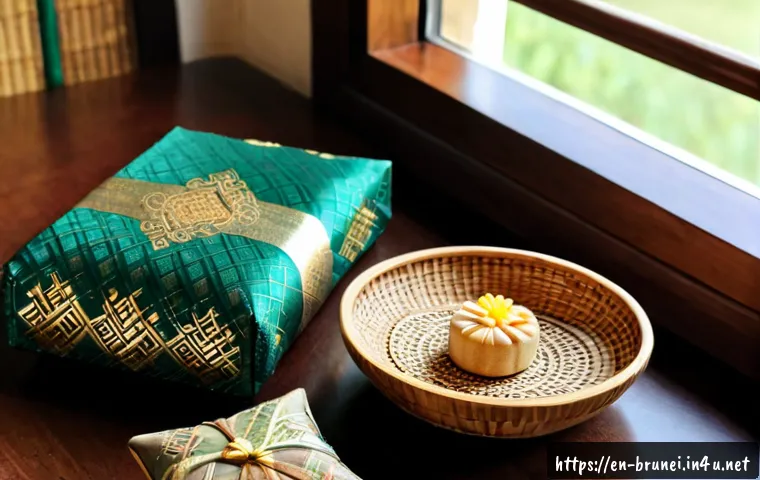
The safest Brunei souvenirs for most travelers are traditional woven crafts, sealed halal snacks, and compact locally themed gifts. Choose items with clear origin, sturdy packaging, and materials that fit your luggage and destination-country customs rules.
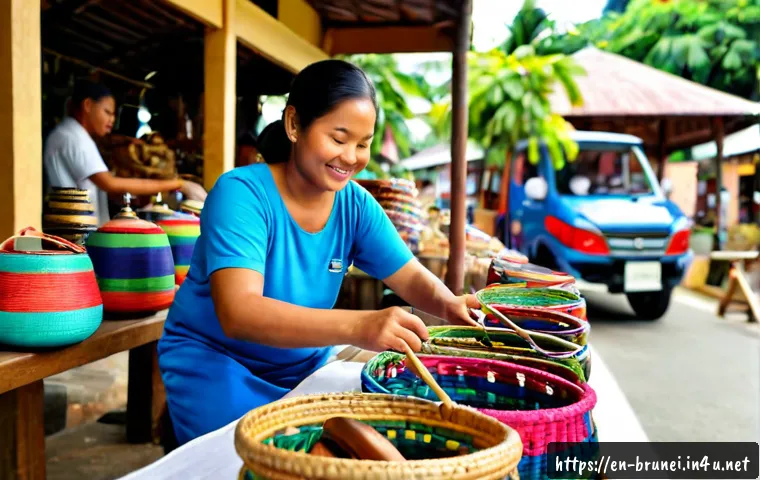
A kain tenunan accessory can be a meaningful heritage gift, while sealed pantry items are practical for casual recipients if they are suitable for the journey.
Brunei dollars (BND) are used locally and are interchangeable at par with Singapore dollars in Brunei and Singapore. Before paying for a higher-value craft, compare the material, finishing, seller information, and return policy.
For food and natural-material items, check import requirements for your final destination before packing.
Quick Overview
- Traditional woven textiles are among the most meaningful choices for travelers seeking a Brunei heritage craft.
- Sealed halal snacks and pantry gifts are easy to share, but heat, travel time, and destination import rules matter.
- Compact locally themed gifts work well for coworkers when luggage space and fragility are priorities.
| Souvenir Type | Best For | Price Level | Luggage Space | Ask Before Buying |
|---|---|---|---|---|
| Traditional woven textile or accessory | Family, collectors, special occasions | Moderate to high | Low to moderate | Is it locally made? What are the materials and care instructions? |
| Handcrafted decorative item | Home-gift recipients and craft lovers | Varies widely | Moderate | Is it fragile? Is wood, shell, or plant material involved? |
| Sealed halal snack or pantry gift | Coworkers, hosts, casual gifting | Low to moderate | Low | What are the ingredients, expiry details, and import restrictions? |
| Small practical locally themed gift | Large gift lists and carry-on travelers | Low to moderate | Low | Where was it made, and will the finish hold up in transit? |
What Makes a Good Souvenir From Brunei?
Quick answer: the best options for most travelers
A good Brunei souvenir is recognizably local, easy to carry, and appropriate for the recipient. Traditional woven textiles, including kain tenunan, are a strong choice when authenticity matters. Sealed halal food gifts are often convenient for sharing, while small craft items can suit travelers buying several gifts at once.
Choose gifts that are local, useful, and easy to carry
Not every item sold in a souvenir setting is locally made. Ask directly about the item’s origin and materials rather than relying only on its design. A useful textile accessory may offer more long-term value than a bulky decorative item, especially if you have limited luggage space. Brunei’s humid tropical climate also makes compact, well-packaged choices more practical than delicate or heat-sensitive purchases.
A fast checklist before paying
Check whether the product is labeled, whether the packaging protects it, and whether the seller can explain its material and origin. For food, read the ingredients and confirm that the seal is intact. For a handmade item, inspect the edges, stitching, surface finish, and any care instructions. Keep the receipt if you are buying a higher-value gift or may need product details during travel.
Compare the Most Popular Gift Categories Before You Buy
Traditional woven textiles and fabric accessories
Traditional woven textiles are closely associated with Brunei’s heritage crafts. A full textile may suit a collector or family occasion, while a smaller fabric accessory can be easier to pack and gift. The higher price of a handmade piece can make sense when the material, workmanship, and local origin are clearly explained. If those details are vague, compare alternatives before committing.
Local handicrafts and decorative items
Handcrafted decorative goods can feel personal, but quality and price may differ substantially by maker and retail location. Look for clean finishing, stable construction, and packaging that can survive a flight. Be especially careful with items made from wood, shells, or plant-based materials, since your destination country may have import restrictions.
Sealed halal snacks and pantry gifts
Halal products are widely available in Brunei, making sealed food gifts a natural option for many visitors. Choose products with clear ingredient information and secure packaging. Consider the expected travel time and heat exposure, since tropical conditions can affect food quality. Imported food rules vary, so a sealed product is not automatically permitted in every destination.
Small practical gifts for coworkers and acquaintances
For coworkers, hosts, or people you do not know very well, choose something compact and easy to distribute. Small locally themed items, fabric accessories, or individually packaged pantry gifts can be more practical than a single expensive object. Focus on simple presentation, modest size, and clear usefulness.
Comparison table: value, luggage space, fragility, and gift appeal
For sentimental value, a verified woven craft is usually the strongest choice. For easy group gifting, sealed snacks or small practical items are often simpler. Decorative crafts may be memorable, but they require more attention to fragility, packing, and customs considerations.
How to Judge Quality, Authenticity, and Fair Value
Questions to ask about materials and local origin
Ask whether the item was made in Brunei, what materials were used, and whether there are care instructions. For textiles, ask whether it is handmade, machine-made, or a combination of both. These questions are not awkward; they help you compare products fairly and choose a gift that matches your budget.
Handmade versus mass-produced: when the price difference matters
A higher-priced handmade souvenir may be worthwhile when you are buying for a special recipient, building a textile collection, or seeking a clear connection to Brunei’s craft heritage. A mass-produced item may still be sensible for a casual gift if it is well made, compact, and honestly described. The key is not to assume that a decorative pattern alone proves local production.
Check finishing, labels, packaging, and care instructions
Examine fabric edges, stitching, color consistency, closures, and surface details. For crafts, look for cracks, loose pieces, uneven protective coating, or weak packaging. A label, material description, and care guidance can make a gift easier for the recipient to use and can help you answer questions at customs if needed.
Avoiding common souvenir-shopping mistakes
Do not buy a fragile item without thinking through how it will travel. Do not assume airport stock, artisan provenance, or prices will be the same across locations. Avoid food gifts without readable ingredients or packaging details. Most importantly, do not wait until after purchase to check whether food, liquids, animal products, wood, shells, or plant materials are permitted at your final destination.
Packing, Customs, and Airport Shopping Considerations
Food, liquids, and heat-sensitive items

Food gifts should be sealed, labeled, and chosen with heat and travel time in mind. Airline and destination-country rules can differ for food and liquids, including items purchased at an airport. Check the rules that apply to your complete itinerary, not only your departure point.
Fragile crafts, textiles, and carry-on restrictions
Textiles are generally easier to pack than breakable crafts. Fold fabric items carefully and keep them away from products that could leak. For fragile goods, request protective packaging and consider whether a carry-on is safer than checked baggage. Carry-on restrictions may still affect certain materials or products, so verify before traveling.
When airport shopping is convenient—and when local shopping is better
Airport shopping can be useful when you need a last-minute gift or prefer a simplified purchase near departure. Local shopping may offer more time to compare craftsmanship, ask questions about origin, and inspect items closely. Do not assume a particular textile, snack, or craft will be available at the airport; confirm current inventory at the point of purchase.
Keep receipts and product information for higher-value purchases
A receipt can support a return request where available and helps document what you bought. Keep product labels, ingredient lists, and seller information with higher-value textiles or crafts. This is a small step that can make customs questions, gift care, and post-trip follow-up much easier.
Gift Ideas by Recipient and Travel Style
Compact gifts for coworkers and casual hosts
Choose sealed halal pantry gifts or small locally themed items with neat packaging. These are easier to carry in quantity and less personal than an expensive craft, which is often appropriate for professional or casual relationships.
Higher-value gifts for family or special occasions
A carefully selected kain tenunan item or another verified local craft can be a thoughtful choice for close family or an important occasion. Prioritize origin, material quality, finishing, and care information over size or decorative complexity.
Collectible choices for textile and craft enthusiasts
Collectors may value a textile or handcrafted piece with a clear explanation of its materials and making process. Ask enough questions to understand what you are purchasing, and keep any product information provided by the seller. A smaller, well-documented item may be more satisfying than a larger item with uncertain provenance.
Best picks for travelers with limited luggage space
Fabric accessories, small practical gifts, and sealed pantry products are usually the easiest categories to manage. Avoid bulky décor and anything that needs special protection unless it is the main gift you came to buy. If you are traveling carry-on only, confirm airline restrictions before choosing food or liquid-based products.
Selection Criteria and Comparison Summary
Choose a woven textile when authenticity and cultural connection matter most. Choose sealed halal snacks or pantry gifts for a modest budget and simple sharing, subject to import checks. Choose compact locally themed items when luggage space is the deciding factor. Before purchasing, compare material, local origin, packaging, fragility, destination-country restrictions, and return policy. For travel protection options or detailed baggage conditions, review the applicable provider’s official information before choosing.
Final Thoughts
The best Brunei souvenir is not necessarily the largest or most expensive item. A well-finished woven accessory, a clearly labeled halal food gift, or a compact craft can be more useful and memorable than a generic tourist purchase. Ask a few direct questions, inspect the product carefully, and buy with your return journey in mind. That approach makes it easier to bring home a gift that feels considered rather than rushed.
Useful Information to Know
Currency: Brunei uses the Brunei dollar (BND), which is interchangeable at par with the Singapore dollar in Brunei and Singapore.
Local context: Islamic customs are central to daily life in Brunei, and halal products are widely available.
Travel planning: Customs rules for food, plant materials, animal products, alcohol, wood, shells, and liquids vary by destination country and airline.
Important Notes
Prices, shop inventory, airport availability, artisan provenance, and customs limits can change and should be confirmed when you buy and before you fly. Do not assume that every textile, snack, or decorative item is locally made. Product suitability depends on your destination, airline rules, packing method, and the specific materials involved.
Frequently Asked Questions
Q1. What is the best souvenir to buy in Brunei for someone who wants something genuinely local?
A1. A traditional woven textile or fabric accessory is often the strongest option because kain tenunan is associated with Brunei’s heritage crafts. Ask the seller where it was made, what materials were used, and whether it is handmade or machine-made before buying.
Q2. Are Brunei food souvenirs safe to bring home on an international flight?
A2. Sealed, clearly labeled halal snacks or pantry gifts can be practical, but acceptance depends on your destination country and airline rules. Check ingredients, packaging, heat exposure, liquid restrictions, and import requirements before travel.
Q3. How can I tell whether a Brunei textile or handicraft item is handmade and fairly priced?
A3. Ask about local origin, materials, and the making process. Then inspect finishing details such as stitching, edges, surfaces, and packaging. Since handcrafted goods can vary greatly by maker and retail location, compare several options before choosing a higher-value gift.