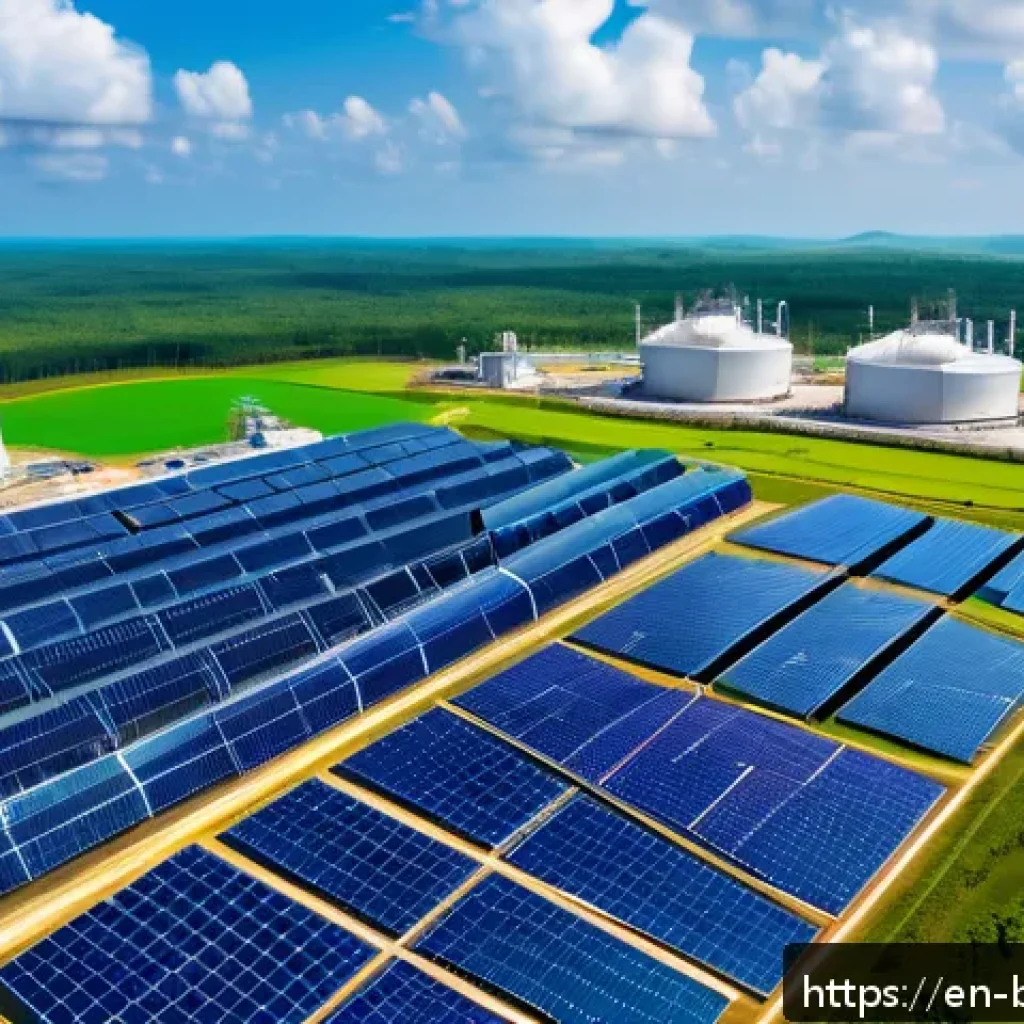
As the world accelerates its shift toward renewable energy, Brunei’s oil industry stands at a pivotal crossroads. Balancing decades of oil wealth with urgent calls for economic diversification, the nation is redefining its energy future.
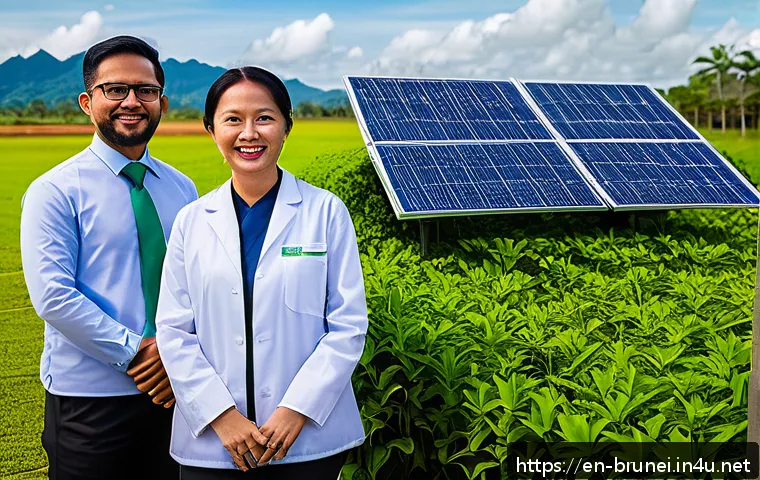
I’ve been closely following how Brunei is adapting its strategies, blending tradition with innovation to stay relevant in a rapidly changing market. In this post, we’ll explore the dynamic evolution of Brunei’s oil sector amid global energy trends and what it means for the country’s long-term prosperity.
If you’re curious about energy transitions or emerging markets, this insight-packed journey will keep you hooked. Let’s dive into how Brunei is navigating these transformative times.
Adapting to Global Energy Market Shifts
Understanding the Changing Demand for Oil
The global energy landscape has been undergoing a profound transformation, largely driven by the rapid expansion of renewables and stricter climate policies.
For Brunei, a country long dependent on oil exports, this shift means facing a decline in traditional markets and a need to rethink how its resources fit into the future energy puzzle.
Demand for crude oil is not disappearing overnight, but the steady push towards electric vehicles, energy efficiency, and carbon neutrality is reshaping how buyers and investors view fossil fuels.
This evolving demand pressures Brunei to innovate within its oil sector while preparing for a leaner role in the world energy supply chain.
Government Initiatives to Modernize the Oil Sector
Brunei’s government has been proactive in introducing policies aimed at enhancing the efficiency and sustainability of its oil industry. Investment in advanced extraction technologies and better reservoir management are helping to maximize output from existing fields.
Additionally, there is a growing focus on reducing the carbon footprint of oil production through cleaner energy usage and methane leak controls. These steps showcase a commitment to maintaining relevance in the oil market without ignoring environmental concerns.
From my perspective, this blend of modernization and sustainability is a smart move that balances economic needs with global trends.
Private Sector’s Role in Innovation and Diversification
The private sector in Brunei is increasingly embracing innovation, often collaborating with international partners to access cutting-edge technology and expertise.
This collaboration has led to pilot projects in carbon capture and storage (CCS) and efforts to integrate digital solutions like AI for predictive maintenance and supply chain optimization.
Private companies are also exploring opportunities in petrochemicals and downstream activities to add value beyond crude oil sales. Based on conversations with industry insiders, these initiatives are creating a more resilient and diversified oil industry that can better withstand the shocks of a volatile global market.
Strategic Economic Diversification Efforts
Investing in Renewable Energy Ventures
Brunei’s long-term economic strategy clearly includes a deliberate shift towards renewable energy sources such as solar and bioenergy. Although still in the early stages, significant government funding and partnerships with foreign investors are fueling renewable pilot projects.
The goal is to reduce domestic reliance on fossil fuels and create new job opportunities in emerging sectors. I’ve noticed that this approach not only prepares Brunei for a post-oil future but also attracts international interest, positioning the country as a forward-thinking energy hub in Southeast Asia.
Building a Knowledge-Based Economy
A key pillar of Brunei’s diversification plan is developing human capital and fostering innovation beyond traditional industries. The government is investing heavily in education and technology incubation centers, encouraging entrepreneurship and skills development in sectors like information technology, finance, and green tech.
This shift towards a knowledge-based economy complements efforts to reduce oil dependency and creates a more sustainable economic foundation. From what I’ve observed, this transition requires patience but is critical for long-term prosperity.
Expanding Non-Oil Sectors
Tourism, halal manufacturing, and logistics are among the non-oil sectors receiving increased attention and investment. These industries benefit from Brunei’s strategic location and stable political environment, offering promising alternatives for economic growth.
The government’s incentives for private enterprises and infrastructure upgrades have started to yield positive results, helping to balance the national budget amid fluctuating oil revenues.
Based on recent reports, these sectors are slowly gaining momentum and diversifying income sources effectively.
Enhancing Energy Efficiency and Sustainability Practices
Implementing Cleaner Production Techniques
Brunei’s oil companies are adopting cleaner production methods to align with global environmental standards. Techniques such as flaring reduction, water recycling, and waste minimization are increasingly standard practices.
These measures not only reduce environmental impact but also improve operational efficiency and cost savings. I’ve seen firsthand how companies that integrate sustainability into their core operations often perform better financially and gain stronger social license to operate.
Carbon Management and Emission Reduction Goals
In line with international climate commitments, Brunei is setting ambitious targets for carbon emissions reduction within its oil sector. This includes investing in carbon capture projects and exploring offset opportunities through reforestation and conservation initiatives.
The challenge lies in balancing these goals with the economic realities of oil production, but the government’s transparent reporting and collaborative approach indicate genuine progress.
I find this pragmatic yet forward-looking strategy encouraging, as it acknowledges both environmental responsibility and economic necessity.
Community Engagement and Environmental Stewardship
Local communities and indigenous groups are increasingly part of the conversation around oil industry operations and environmental stewardship. Brunei’s oil companies are working to ensure that social impacts are minimized and benefits are shared, including through job creation and community development programs.
This engagement fosters trust and helps mitigate conflicts, which is essential for the long-term sustainability of the sector. From conversations with locals, it’s clear that this inclusive approach is improving relationships and building stronger support for industry projects.
Leveraging Technology for Future Competitiveness
Digital Transformation in Oil Exploration and Production
Digital tools like data analytics, IoT sensors, and remote monitoring are revolutionizing how Brunei’s oil fields are managed. These technologies enable real-time decision-making, predictive maintenance, and optimized resource allocation, significantly enhancing productivity and reducing downtime.
I’ve seen examples where integrating digital solutions has led to marked improvements in operational efficiency, proving that technology adoption is no longer optional but essential for competitiveness.
Innovations in Petrochemical and Downstream Markets
Brunei is expanding its focus on petrochemical production and refining capabilities to capture more value from its hydrocarbon resources. Innovations in catalyst technologies and process automation are helping to produce higher-quality products at lower costs.
This downstream expansion not only diversifies revenue streams but also aligns with global demand for specialized chemical products. Based on industry trends, this strategic move strengthens Brunei’s position in the regional energy value chain.
Collaborative Research and Development Efforts
Partnerships with universities, research institutes, and international energy firms are fostering a culture of innovation within Brunei’s oil sector. These collaborations focus on developing sustainable technologies, improving extraction techniques, and exploring alternative energy solutions.
From what I’ve gathered, such R&D efforts are crucial for maintaining technological edge and preparing the sector for future challenges.
Comparing Brunei’s Energy Sector with Regional Neighbors
Similarities and Differences in Transition Strategies
Many Southeast Asian countries face comparable challenges in balancing oil dependence with renewable energy ambitions. However, Brunei’s approach is distinct in its heavy reliance on state-led initiatives combined with strategic private partnerships.
Unlike some neighbors that have aggressively pursued large-scale renewables, Brunei is taking a more measured, incremental approach that suits its smaller population and resource base.
This pragmatic pacing could prove beneficial in avoiding economic shocks.
Lessons from Regional Energy Diversification
Countries like Malaysia and Indonesia have diversified their energy portfolios more extensively, with mixed success. Brunei can learn from these experiences by focusing on sectors where it has competitive advantages and avoiding overextension.
For example, Malaysia’s development of palm oil biofuels offers a cautionary tale about environmental trade-offs, reinforcing the importance of sustainability in diversification efforts.
Observing these regional dynamics helps clarify Brunei’s unique path.
Opportunities for Cross-Border Collaboration
Regional cooperation on energy infrastructure, technology sharing, and market integration presents opportunities for Brunei to enhance its energy security and economic resilience.
Joint ventures in renewable projects or shared research initiatives could accelerate the country’s transition. From an industry standpoint, these partnerships are win-win, enabling resource pooling and risk mitigation while strengthening geopolitical ties.
Key Metrics Highlighting Brunei’s Oil Sector Trends
| Metric | 2018 | 2022 | Projected 2025 |
|---|---|---|---|
| Oil Production (barrels per day) | 120,000 | 105,000 | 95,000 |
| Oil Revenue (Billion USD) | 5.2 | 3.8 | 3.0 |
| Renewable Energy Investment (Million USD) | 10 | 45 | 100 |
| Carbon Emission Reduction Target (%) | – | 10 | 30 |
| Non-Oil GDP Contribution (%) | 28 | 34 | 40 |
Challenges and Opportunities Ahead
Managing Economic Dependence on Oil Revenues
Despite diversification efforts, Brunei’s economy still heavily depends on oil revenues, making it vulnerable to price volatility and demand shocks. Balancing fiscal stability with investment in new sectors is a delicate act.
I’ve noticed that prudent budgeting and sovereign wealth fund management are critical to cushioning these impacts while supporting long-term reforms.
Addressing Workforce Transition Needs
As Brunei shifts toward a more diversified economy, workforce retraining and skills development become vital. Oil sector workers may need support transitioning to renewable energy or other emerging industries.
The government’s role in facilitating education and vocational training is essential to avoid social disruption. From what I understand, early investments in human capital will pay dividends in economic resilience.
Capitalizing on Emerging Energy Markets
New opportunities in green hydrogen, energy storage, and smart grids could position Brunei as a regional leader in next-generation energy solutions. While these markets are still nascent, proactive investment and international partnerships can create first-mover advantages.
Observing global energy trends, I’m convinced that embracing innovation beyond traditional oil will be key to sustaining Brunei’s prosperity in the decades ahead.
In Conclusion
Brunei is at a critical crossroads as it navigates the shifting global energy landscape. The country’s efforts to modernize its oil sector while investing in renewables and economic diversification demonstrate a thoughtful balance between tradition and innovation. With continued focus on sustainability, technology, and workforce development, Brunei is positioning itself for a resilient and prosperous future. The journey won’t be without challenges, but the foundation being built today offers promising opportunities ahead.
Helpful Information to Know
1. Brunei’s oil production is gradually declining, prompting a stronger push towards renewable energy investments.
2. Government policies emphasize cleaner production methods and carbon emission reduction to meet global standards.
3. Private sector innovation, including AI and carbon capture, is playing a key role in the country’s energy transition.
4. Diversification into non-oil sectors like tourism and halal manufacturing is gaining momentum, supporting economic stability.
5. Regional cooperation and knowledge exchange present valuable opportunities to accelerate Brunei’s energy transformation.
Key Takeaways
Brunei’s strategic approach focuses on balancing economic reliance on oil with a gradual shift toward renewables and a knowledge-based economy. The government’s modernization efforts, combined with private sector innovation, are essential to maintaining competitiveness amid global market changes. Workforce development and sustainable practices are critical to ensuring long-term success. Finally, leveraging regional partnerships and emerging energy technologies will be crucial in shaping Brunei’s energy future.
Frequently Asked Questions (FAQ) 📖
Q: How is Brunei balancing its traditional oil industry with the push for renewable energy?
A: Brunei is carefully navigating this balance by leveraging its oil revenues to invest in renewable energy projects and economic diversification. While oil remains a significant part of its economy, the government has been proactive in exploring solar energy and other sustainable options.
This dual approach helps maintain economic stability while preparing for a future less dependent on fossil fuels. From what I’ve observed, the key lies in gradual adaptation rather than abrupt shifts, allowing Brunei to honor its oil legacy while embracing innovation.
Q: What challenges does Brunei face in diversifying its economy away from oil?
A: One of the main challenges is the heavy reliance on oil income, which has shaped Brunei’s infrastructure and workforce for decades. Transitioning to new sectors requires substantial investment in education, technology, and attracting foreign expertise.
Additionally, global competition in renewable energy markets means Brunei must carve out a unique niche to remain competitive. Based on current trends, the pace of diversification is steady but requires continued government support and private sector engagement to succeed fully.
Q: What does Brunei’s energy transition mean for its long-term economic prosperity?
A: Brunei’s energy transition is crucial for ensuring long-term sustainability and economic resilience. By diversifying its energy portfolio and reducing dependence on oil, the country aims to protect itself from volatile oil prices and global shifts toward clean energy.
This strategic move could open new revenue streams and create jobs in emerging industries, which is promising for future generations. In my view, while the path is complex, Brunei’s commitment to balancing tradition with innovation bodes well for its economic future.