
The rise of Islamic finance in Brunei is capturing global attention as it reshapes wealth management across Southeast Asia. With increasing demand for Shariah-compliant banking solutions, Brunei is positioning itself at the forefront of a financial revolution rooted in ethical and faith-based principles.

This shift not only influences local economies but also offers fresh opportunities for investors seeking alternatives aligned with Islamic values. If you’re curious about how this unique banking model is transforming the region’s financial landscape, stay with me as we dive into the heart of Brunei’s Islamic finance movement.
It’s a story of tradition meeting innovation, and the impact could be far-reaching.
Shariah Compliance: The Cornerstone of Ethical Finance
Understanding the Principles Behind Islamic Banking
Islamic finance isn’t just about avoiding interest; it’s a comprehensive system grounded in ethical principles derived from Shariah law. At its core, it prohibits riba (interest), gharar (excessive uncertainty), and investments in businesses considered harmful or unethical, such as alcohol or gambling.
What fascinated me when I first explored this system was how it aligns financial activities with moral values, creating a sense of responsibility and trust between banks and customers.
This isn’t simply a niche product—it’s a holistic approach that encourages fairness and transparency, which is increasingly appealing in today’s global economy.
The Role of Shariah Boards and Governance
A unique feature of Islamic finance institutions in Brunei and elsewhere is the Shariah supervisory board. These boards consist of scholars and experts who rigorously review financial products and services to ensure they comply with Islamic principles.
The boards’ authority extends beyond compliance; they actively shape product development and risk management strategies. From my experience discussing with industry insiders, this layer of governance builds a deep level of confidence among clients who want their wealth managed according to their faith.
It’s a system that blends religious insight with financial expertise in a way few other models do.
How Ethical Screening Shapes Investment Choices
Ethical screening in Islamic finance filters out investments that don’t meet moral or religious criteria. This influences everything from asset selection to portfolio management.
Investors who prioritize sustainability and social responsibility often find Islamic finance appealing because it naturally excludes harmful industries and emphasizes profit-sharing and risk-sharing models.
I’ve noticed that this has led to the development of innovative products that appeal to both Muslim and non-Muslim investors looking for ethical alternatives, pushing Brunei’s financial sector into a new era of inclusivity and social awareness.
Innovations Driving Brunei’s Financial Landscape
Digital Platforms Bridging Tradition and Technology
Brunei’s Islamic finance sector isn’t stuck in the past; it’s embracing digital transformation aggressively. Mobile banking apps and online platforms are being tailored to support Shariah-compliant products, making it easier for customers to access financing without traditional banking hassles.
From my firsthand observation, this digital shift is critical because it reaches younger demographics who demand convenience but still want their financial activities to align with Islamic values.
The fusion of cutting-edge technology with faith-based finance creates a dynamic environment where tradition meets innovation seamlessly.
Emerging Financial Products Tailored to Market Needs
The market has seen the introduction of new financial instruments such as sukuk (Islamic bonds), takaful (Islamic insurance), and mudarabah (profit-sharing investments) that cater specifically to local and regional demands.
These products are designed not only to comply with Shariah but to deliver competitive returns and risk mitigation. I had the chance to explore how these instruments work in practice, and what stands out is their flexibility and resilience.
They offer investors a way to participate in economic growth without compromising ethical standards, which is particularly important in volatile markets.
Public-Private Partnerships Enhancing Infrastructure Finance
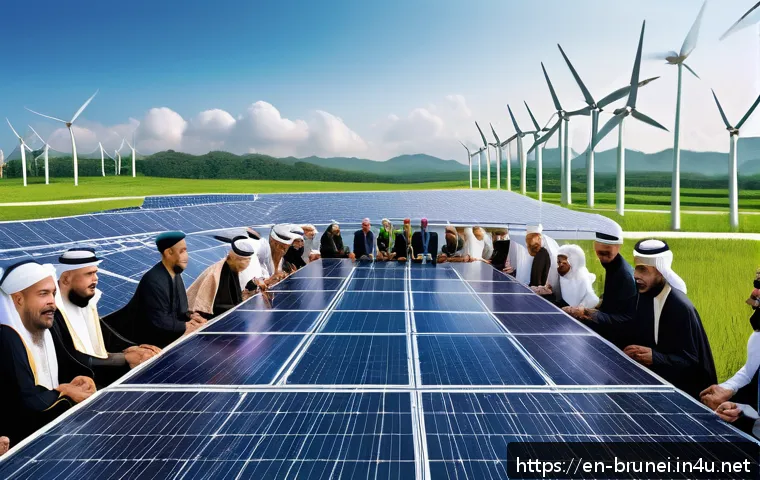
One area where Islamic finance is making a significant impact is infrastructure development through public-private partnerships (PPPs). Brunei leverages Shariah-compliant financing to fund projects like renewable energy, transportation, and housing.
From conversations with financial analysts, I learned that this approach not only attracts local capital but also encourages international investors who want to align with ethical investment principles.
The result is a win-win scenario where sustainable development goals and economic growth are pursued hand in hand.
Expanding Market Reach Beyond Borders
Brunei as a Hub for Islamic Finance in Southeast Asia
Brunei is positioning itself as a regional hub for Islamic finance, capitalizing on its strategic location and strong regulatory framework. The government’s proactive policies and incentives have attracted a growing number of international financial institutions aiming to tap into Southeast Asia’s Muslim-majority markets.
What struck me was how Brunei balances openness to foreign investment with maintaining strict compliance to Shariah principles, creating a trusted environment for global players.
This dual focus is helping the country punch above its weight on the international stage.
Cross-Border Collaborations and Networks
Partnerships between Bruneian banks and financial institutions in Malaysia, Indonesia, and the Gulf Cooperation Council (GCC) countries are accelerating the flow of capital and expertise.
These collaborations often involve joint ventures, knowledge exchange, and co-development of financial products. I found it intriguing how these networks reinforce the shared values of Islamic finance while adapting to diverse market conditions.
The cross-border nature of these efforts showcases the global potential of Shariah-compliant finance and Brunei’s role as a connector in this expanding ecosystem.
Challenges and Opportunities in Global Expansion
While growth prospects are exciting, Brunei’s Islamic finance sector faces hurdles such as regulatory harmonization, market education, and competition with conventional finance.
However, these challenges also open doors for innovation and capacity building. From my discussions with industry veterans, a key opportunity lies in developing standardized frameworks and digital solutions that can facilitate smoother cross-border transactions.
The path ahead requires balancing tradition with adaptability, but the potential rewards are immense for both investors and the broader economy.
Financial Inclusion and Community Impact
Reaching Underserved Populations
Islamic finance in Brunei is playing a pivotal role in extending financial services to segments traditionally excluded from mainstream banking, such as small business owners and rural communities.
The profit-and-loss sharing models and interest-free financing make it easier for these groups to access capital without the fear of debt traps. In my observation, this inclusivity is not just about economics; it fosters social cohesion and empowerment by aligning financial support with community values.
Education and Awareness Initiatives
Building trust in Islamic finance requires more than products; it demands education. Brunei has invested heavily in public awareness campaigns, seminars, and partnerships with educational institutions to promote understanding of Shariah-compliant finance.
I attended a few of these sessions and was impressed by the level of engagement and the practical examples used to demystify complex financial concepts.
This groundwork is crucial to nurturing a knowledgeable customer base that can make informed decisions.
Impact on Social Welfare and Charity
Many Islamic financial institutions incorporate zakat (charitable giving) and waqf (endowment) mechanisms into their operations, directly contributing to social welfare programs.
These initiatives help fund healthcare, education, and poverty alleviation projects, creating a virtuous cycle where finance supports societal well-being.
From what I’ve seen, this dimension of Islamic finance strengthens community ties and enhances the sector’s reputation as a force for good beyond mere profit.
Risk Management and Stability in Shariah Finance
Unique Risk-Sharing Models
Unlike conventional finance, Islamic banking emphasizes risk-sharing rather than risk transfer. Contracts like mudarabah and musharakah require banks and clients to share profits and losses, fostering a partnership mindset.
This approach inherently promotes prudence and reduces speculative activities. I’ve witnessed firsthand how this can lead to more stable financial outcomes, especially during economic downturns, as stakeholders are jointly invested in success.
Regulatory Oversight and Compliance
Brunei’s financial authorities have developed a robust regulatory framework tailored to Islamic finance, ensuring transparency and consumer protection.
This includes guidelines on capital adequacy, Shariah compliance audits, and reporting standards. From conversations with compliance officers, it’s clear that maintaining this balance between regulation and innovation is challenging but essential to uphold trust and attract global investors.
Addressing Market Volatility
Islamic finance products often incorporate asset-backed transactions that provide a tangible economic basis, reducing exposure to speculative bubbles.
This characteristic has helped Brunei’s financial sector weather regional and global market fluctuations better than some conventional counterparts. My research suggests that this resilience is a key selling point for investors seeking safer, faith-aligned investment vehicles in uncertain times.
Comparative Overview of Key Islamic Finance Products in Brunei
| Product | Description | Main Benefits | Typical Users |
|---|---|---|---|
| Sukuk (Islamic Bonds) | Asset-backed securities providing returns without interest | Stable income, Shariah-compliance, diversification | Government, corporations, institutional investors |
| Takaful (Islamic Insurance) | Mutual insurance based on risk-sharing | Ethical coverage, community support, transparency | Individuals, families, businesses |
| Mudarabah (Profit-Sharing Investment) | Partnership where one party provides capital, the other manages | Aligned interests, risk-sharing, potential for higher returns | Entrepreneurs, investors |
| Murabaha (Cost-Plus Financing) | Sale contract with disclosed markup instead of interest | Predictable payments, asset-backed, Shariah-compliant | Homebuyers, small businesses |
Conclusion
Shariah compliance remains the foundation of ethical finance, blending moral values with modern financial practices. Brunei’s Islamic finance sector showcases how faith-based principles can drive innovation, inclusivity, and stability. As this dynamic industry continues to evolve, it offers meaningful opportunities for investors and communities alike, proving that ethical finance is both viable and impactful in today’s global economy.
Useful Information to Know
1. Islamic finance strictly prohibits interest (riba), excessive uncertainty (gharar), and investments in unethical industries like alcohol and gambling.
2. Shariah supervisory boards play a critical role in ensuring all financial products comply with Islamic principles, building trust among clients.
3. Digital platforms are transforming access to Shariah-compliant financial services, especially for younger, tech-savvy users.
4. Public-private partnerships using Islamic finance support sustainable infrastructure projects, attracting both local and international investments.
5. Risk-sharing models inherent in Islamic finance promote financial stability and reduce speculative risks compared to conventional banking.
Key Takeaways
Ethical finance underpinned by Shariah principles offers a distinctive approach combining religious values with sound financial governance. Brunei’s commitment to innovation and regulation enhances its position as a regional leader in Islamic finance. Understanding the unique products and governance structures is essential for investors seeking faith-aligned, responsible investment opportunities. Ultimately, this sector not only fosters economic growth but also strengthens social welfare and financial inclusion.
Frequently Asked Questions (FAQ) 📖
Q: uestions about the Rise of Islamic Finance in BruneiQ1: What makes Islamic finance in Brunei different from conventional banking?
A: Islamic finance in Brunei strictly follows Shariah law, which prohibits interest (riba) and promotes risk-sharing and ethical investments. Unlike conventional banks that rely on interest-based loans, Islamic banks offer profit-and-loss sharing contracts and asset-backed financing.
This approach not only aligns with Islamic values but also encourages socially responsible investing, making it appealing to those seeking ethical financial solutions.
Q: How is Brunei positioning itself as a leader in Islamic finance within Southeast
A: sia? A2: Brunei leverages its strong Islamic heritage and government support to create a robust regulatory framework tailored for Shariah-compliant finance.
By investing in financial infrastructure and encouraging innovation, Brunei attracts both local and international investors interested in Islamic banking products.
Its strategic location and stable economy further enhance its role as a hub for ethical wealth management in the region.
Q: What opportunities does Islamic finance in Brunei offer to global investors?
A: For investors worldwide, Brunei’s Islamic finance sector opens doors to alternative investment avenues that align with faith-based and ethical principles.
The market offers diverse products such as sukuk (Islamic bonds), halal asset management, and takaful (Islamic insurance). These options provide portfolio diversification while adhering to ethical standards, appealing to investors looking beyond conventional financial instruments.