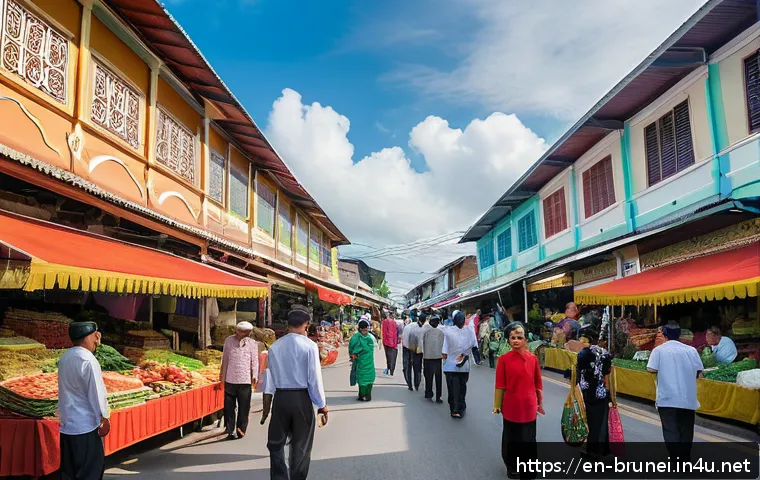
Brunei’s rich linguistic tapestry is a fascinating glimpse into its cultural heart, especially as regional dialects continue to thrive amid modern influences.
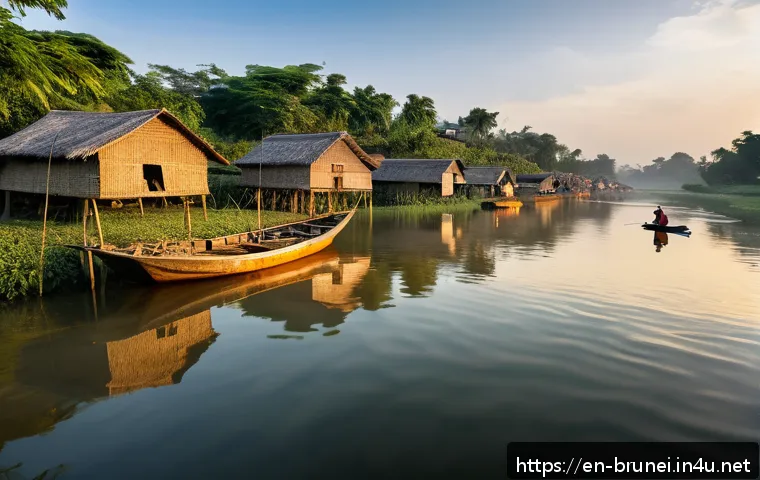
With growing interest in preserving local heritage, understanding what sets each area’s speech apart offers a unique window into Brunei’s identity. Whether you’re a language enthusiast or simply curious about Southeast Asia’s diversity, exploring these dialects reveals stories, traditions, and connections that often go unnoticed.
Join me as we dive into the vibrant sounds and expressions that make Brunei’s regions truly one of a kind. This journey promises insights that go beyond words, highlighting how language shapes community and belonging today.
Distinctive Phonetic Flavors Across Brunei’s Regions
Unique Pronunciation Patterns That Define Local Identity
Each region in Brunei boasts a distinct way of pronouncing words that immediately signals where someone is from. For instance, in the Tutong district, vowels often carry a softer, more rounded sound, contrasting sharply with the sharper, clipped tones heard in the Belait area.
These subtle differences might seem minor at first, but they play a huge role in shaping the listener’s perception of a speaker’s background. When I spent time chatting with locals in Tutong, I noticed how these vowel shifts almost felt musical, lending a gentle rhythm to everyday conversations.
Meanwhile, in Brunei-Muara, the speech tends to be faster with a slightly more nasal tone, reflecting the urban hustle and multicultural influences found there.
These phonetic nuances are not just quirks but deeply rooted cultural markers passed down through generations.
How Tone and Intonation Shape Regional Speech
Beyond pronunciation, the way sentences rise and fall in pitch varies noticeably from one area to another. For example, in Temburong, speakers often use a rising intonation even in statements, giving their speech a friendly, inviting quality.
This contrasts with the flatter, more monotone delivery common in some parts of Belait, which can come across as more reserved or formal. Intonation patterns influence how emotions are conveyed and understood, and locals can usually tell if someone is from “their” region just by listening to how they speak.
From my own experience, tuning into these tonal shifts helped me pick up on subtle cues about a person’s mood or intent, enriching conversations beyond just the words themselves.
Regional Vocabulary That Reflects Local Life
Distinctive words and expressions pepper each dialect, often tied to the environment, traditions, or occupations unique to the area. For example, in rural parts of Tutong, you’ll hear terms related to fishing and river life that rarely appear elsewhere.
In contrast, Brunei-Muara’s vocabulary includes many loanwords from Malay, English, and Chinese, reflecting its status as the country’s commercial hub.
This blend of words paints a vivid picture of each region’s lifestyle and history. When I first encountered these local terms, I was fascinated by how they conveyed concepts and practices that standard Malay simply doesn’t capture, giving me a richer understanding of Brunei’s diverse communities.
Historical Influences That Mold Brunei’s Dialects
Legacy of Trade and Migration
Brunei’s position as a historic trading port attracted merchants and settlers from various regions, leaving lasting imprints on its linguistic landscape.
The influence of traders from the Malay Archipelago, China, and even Arab regions can be traced in certain vocabulary and pronunciation styles. For example, some coastal dialects have integrated words related to maritime trade and navigation that are unique to those areas.
This mixing wasn’t just linguistic but cultural, as communities exchanged customs and stories that seeped into everyday language. During my research, I found it fascinating how these historical interactions continue to echo in the way people speak, connecting modern Bruneians to centuries of global exchange.
Colonial Impact and Language Evolution
British colonial rule introduced English as a key language, especially in education and government, which influenced local dialects in different ways depending on the region.
Urban centers like Bandar Seri Begawan show a higher frequency of English loanwords, often blended seamlessly into daily conversations. In contrast, more remote areas retained stronger traditional Malay dialects with less English influence.
This divergence highlights how political and social structures shape language use. I remember chatting with elders who recounted how their schooling experience introduced new words and expressions, sometimes reshaping their mother tongue in subtle but lasting ways.
Preservation Efforts Amid Modernization
With rapid modernization and increased media exposure, some regional dialects face the risk of dilution. However, local initiatives are actively promoting the preservation of these unique linguistic traits through cultural programs, school curricula, and community events.
These efforts aim to keep the dialects vibrant and relevant, especially among younger generations. From attending a local festival, I observed how language is celebrated not just as communication but as a living heritage, a way to maintain identity in a fast-changing world.
These preservation movements underscore the community’s deep respect for their linguistic roots and the desire to keep them alive for years to come.
Social Context and Language Use in Brunei
Language as a Marker of Social Status
In Brunei, the way people speak can subtly indicate social background, education level, and even profession. For example, those in professional or governmental roles often use a more standardized Malay mixed with English, reflecting formal training and exposure.
Conversely, rural inhabitants tend to maintain stronger local dialects that carry a sense of authenticity and community belonging. I noticed during conversations that code-switching—shifting between dialects and languages—is common, serving as a social tool to navigate different settings.
This fluidity enriches communication but also highlights how language functions as a social map within Bruneian society.
Intergenerational Language Transmission
Families play a crucial role in passing down dialects, but the influence of schools and media sometimes shifts language use toward a more homogenized form.
Older generations often speak in pure dialects, while younger people might mix in standard Malay or English, especially in urban areas. From personal experience, I saw how grandparents and parents gently encourage children to learn their native dialect, emphasizing its cultural value.
This dynamic creates a fascinating interplay between tradition and modernity, where language becomes both a bridge and a battleground between past and future.
Community Events as Language Hubs
Local festivals, religious ceremonies, and markets act as vibrant spaces where dialects flourish and evolve. These gatherings provide opportunities for storytelling, singing, and informal teaching, reinforcing dialect use in natural, enjoyable ways.
When I attended a traditional wedding in Brunei-Muara, the blend of dialects and languages was striking, with elders narrating tales in their native speech while younger attendees interjected with modern expressions.
These moments highlight how communal life sustains linguistic diversity and fosters a sense of belonging that transcends mere words.
Comparative Overview of Brunei’s Dialects
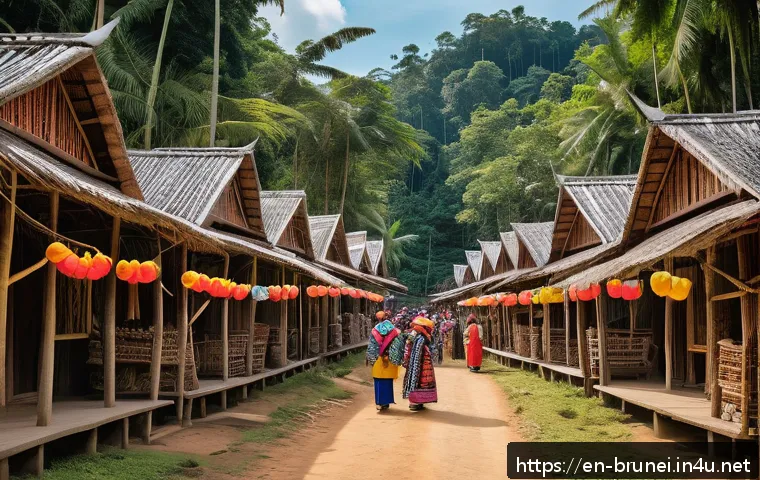
| Region | Phonetic Traits | Common Vocabulary Themes | External Influences | Preservation Status |
|---|---|---|---|---|
| Tutong | Soft, rounded vowels; melodic intonation | Fishing, river life terms | Malay Archipelago maritime trade | Strong community efforts; moderate urban influence |
| Belait | Sharp, clipped tones; reserved intonation | Oil industry jargon; forest-related terms | British colonial English | Declining among youth; revitalization programs ongoing |
| Brunei-Muara | Fast-paced, nasal tone; mixed intonation | Multicultural commerce; loanwords from English and Chinese | Urbanization and globalization | High English influence; active cultural preservation |
| Temburong | Rising intonation; friendly, inviting tone | Agricultural terms; forest and wildlife names | Limited external contact; strong traditional base | Stable use; local festivals reinforce dialect |
Impact of Media and Technology on Dialect Use
Broadcasting and Dialect Representation
Television, radio, and online platforms increasingly showcase Brunei’s regional dialects, though often with a tilt toward the more widely understood versions.
This exposure helps raise awareness and appreciation, but it also risks standardizing speech patterns as audiences gravitate toward the most accessible forms.
When watching local programs, I noticed how presenters skillfully weave in dialect words, creating a familiar yet polished sound that appeals to diverse viewers.
This balancing act between authenticity and clarity reflects the ongoing negotiation between tradition and modern communication.
Social Media as a Language Playground
Social media platforms offer a unique space where younger Bruneians experiment with dialects, slang, and hybrid forms. They often create memes, videos, and posts that mix English, Malay, and local dialects, reflecting their complex identities.
From observing popular online communities, it’s clear that digital spaces not only preserve dialects but also allow them to evolve rapidly. This dynamic environment encourages creativity and connection but also poses challenges for linguistic purists who worry about dilution.
Technology’s Role in Language Learning and Preservation
Apps, online dictionaries, and virtual classes are emerging as valuable tools for teaching and preserving Brunei’s dialects. These resources make it easier for both locals and outsiders to learn and appreciate the linguistic diversity firsthand.
I tried a few language apps tailored to Bruneian dialects and was impressed by how interactive exercises and audio samples helped me grasp pronunciation and vocabulary nuances.
This tech-driven approach complements traditional methods and broadens the reach of dialect education in an accessible, engaging way.
The Emotional Resonance of Dialects in Everyday Life
Language as a Vessel for Memories and Identity
Hearing a familiar dialect can instantly evoke a flood of memories and a deep sense of belonging. Many Bruneians associate their regional speech with childhood, family gatherings, and local customs.
When I spoke with locals about what their dialect means to them, many described it as a “homecoming” sound, carrying warmth and comfort. This emotional connection fuels their passion for preserving these linguistic treasures and sharing them with others.
Dialect and Humor: A Cultural Bond
Humor often relies heavily on dialect-specific expressions, puns, and intonations that don’t easily translate into standard Malay or English. In Brunei, jokes told in local dialects create a shared cultural space where people bond over language quirks and witty plays on words.
From my experience, understanding these jokes gave me a deeper appreciation of the culture and made social interactions more enjoyable and authentic.
Challenges and Pride in Maintaining Dialect Use
While some feel pressure to conform to more “standard” languages in professional or educational contexts, many Bruneians take pride in their dialects as symbols of resilience and cultural richness.
Navigating these conflicting demands requires a nuanced sense of identity and adaptability. I witnessed firsthand how people switch between dialect and standard language fluidly, affirming their roots while engaging with broader society.
This balancing act reflects the complex relationship between language, self-expression, and community in modern Brunei.
In Conclusion
Brunei’s regional dialects offer a rich tapestry of linguistic diversity that reflects its cultural heritage and social fabric. Each dialect carries unique sounds, vocabularies, and emotional connections that reveal much about local identities. Preserving these dialects amid modernization is vital to maintaining Brunei’s vibrant cultural landscape. Understanding and appreciating these linguistic nuances enriches not only communication but also the sense of community across generations.
Helpful Information to Know
1. Dialects in Brunei vary significantly by region, influenced by history, geography, and social factors.
2. Local vocabulary often ties closely to traditional livelihoods such as fishing, agriculture, and commerce.
3. Media and technology play growing roles in both preserving and evolving dialect use among younger generations.
4. Social events and family interactions are key spaces where dialects are actively maintained and celebrated.
5. Balancing dialect use with standard languages reflects the dynamic cultural identity of modern Bruneians.
Key Takeaways
Brunei’s dialects are more than just different ways of speaking—they are living expressions of history, culture, and community pride. Recognizing the importance of preserving these dialects helps foster a deeper respect for local identities while navigating the pressures of globalization. Active efforts in education, media, and cultural events support this linguistic heritage, ensuring it remains a vital part of Bruneian life for future generations.
Frequently Asked Questions (FAQ) 📖
Q: What are the main regional dialects spoken in Brunei, and how do they differ from each other?
A: Brunei primarily features several dialects of the Malay language, including Brunei Malay, Kedayan, Tutong, and Belait. Each dialect carries unique pronunciation, vocabulary, and idiomatic expressions shaped by local history and culture.
For example, Brunei Malay is widely used and considered the standard, while Kedayan has distinct phonetic features and some different words reflecting the community’s agricultural roots.
Exploring these differences offers a deeper appreciation of how language reflects the diverse lifestyles within Brunei.
Q: Why is it important to preserve Brunei’s regional dialects in today’s modern society?
A: Preserving these dialects is crucial because they carry the cultural heritage and collective memory of Brunei’s people. As globalization and urbanization push for more standardized language use, smaller dialects risk fading away.
Maintaining them helps keep traditional knowledge, folklore, and community identity alive. From my experience talking with locals, using their native dialect builds stronger social bonds and a sense of pride, which modern society often overlooks.
Q: How can language enthusiasts or travelers best engage with Brunei’s dialects to understand the culture better?
A: The best approach is to immerse yourself by interacting with local speakers, attending cultural events, and listening carefully to everyday conversations.
I found that even simple greetings or common phrases in different dialects open doors to meaningful exchanges and stories. Additionally, exploring local media, such as radio programs or traditional music, gives authentic exposure to how these dialects sound and evolve.
This hands-on experience reveals much more than textbooks can, making the cultural connection truly memorable.