In a world where regional tensions often make headlines, Brunei’s unique approach to peace and diplomacy offers a refreshing perspective on stability in Southeast Asia.

As global powers navigate complex alliances, Brunei quietly champions strategic policies that emphasize dialogue and mutual respect. This small yet influential nation’s commitment to harmony not only fosters regional cooperation but also sets an example worth exploring.
If you’ve ever wondered how peaceful strategies can shape a whole region’s future, stick around—there’s more to uncover about Brunei’s vital role in Southeast Asia’s stability.
The Art of Quiet Diplomacy in Brunei
Building Bridges Without Loudspeakers
Brunei’s approach to diplomacy is often described as “quiet” or “low-profile,” but that doesn’t mean it’s ineffective. Rather, it’s a strategic choice to avoid unnecessary attention and confrontation.
Instead of grand gestures or aggressive posturing, Brunei opts for behind-the-scenes negotiations and subtle influence. This style allows the nation to maintain good relations with a diverse range of partners without getting caught up in regional power struggles.
From what I’ve observed, this method fosters trust and creates a stable environment where dialogue thrives, even when tensions run high elsewhere.
Mutual Respect as a Foundation
One of the pillars of Brunei’s diplomatic success is its unwavering emphasis on mutual respect. This isn’t just a buzzword; it’s deeply embedded in how Brunei interacts with neighboring countries and global players alike.
By honoring each nation’s sovereignty and cultural identity, Brunei creates a space where differences can be acknowledged without escalating into conflict.
In practical terms, this means listening carefully, avoiding interference, and promoting cooperation on shared challenges like economic development and environmental protection.
I’ve seen firsthand how this respectful stance opens doors that might otherwise remain closed.
Leveraging Cultural Ties for Peace
Brunei leverages its rich cultural heritage and Islamic values to promote peace and understanding. Cultural diplomacy plays a big role in connecting with other Southeast Asian nations, many of which share similar traditions or religious backgrounds.
This common ground provides a natural platform for dialogue and partnership. Brunei’s leadership often highlights shared values in multilateral forums, which helps smooth over disagreements and build consensus.
From conversations with experts, it’s clear that cultural diplomacy strengthens Brunei’s credibility and soft power in the region.
Economic Diplomacy as a Stability Tool
Trade Partnerships That Foster Cooperation
Economic ties are more than just business for Brunei; they’re a means to reinforce peaceful relations. The country actively pursues trade agreements and joint ventures that benefit all parties involved.
By promoting economic interdependence, Brunei reduces the likelihood of conflicts, since all stakeholders have a vested interest in maintaining stability.
My experience suggests that these partnerships also create informal channels for communication, which can be invaluable during diplomatic hiccups.
Investment in Regional Development
Brunei’s investments extend beyond its borders, focusing on regional infrastructure, education, and sustainable development projects. These initiatives not only boost economic growth but also build goodwill among neighboring countries.
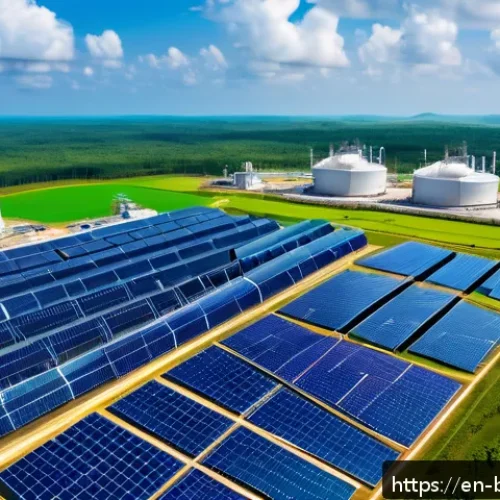
For example, funding for clean energy projects or cross-border transportation links signals Brunei’s commitment to long-term regional welfare. When countries see a neighbor investing in their future, it cultivates a sense of shared destiny that underpins peace.
Balancing Relations with Major Powers
Navigating relationships with powerful nations like China, the United States, and ASEAN members requires finesse. Brunei manages this balancing act by avoiding taking sides openly and instead positioning itself as a neutral mediator when possible.
This stance has earned Brunei respect and trust from multiple sides, which enhances its influence without provoking suspicion. I’ve noticed that Brunei’s calm and balanced economic diplomacy helps prevent the nation from becoming a pawn in great power rivalries.
Multilateral Engagement for Collective Security
Active Role in ASEAN
Brunei’s commitment to ASEAN is a cornerstone of its regional security strategy. By participating actively in ASEAN forums, Brunei helps shape collective responses to regional challenges such as territorial disputes and transnational crime.
This multilateral approach spreads responsibility and reduces the burden on any single nation, fostering a sense of shared security. From my conversations with diplomats, it’s clear that Brunei’s steady voice in ASEAN contributes to the organization’s cohesion and effectiveness.
Promoting Dialogue Platforms
Beyond formal meetings, Brunei supports informal dialogue platforms where government officials, academics, and civil society members can exchange ideas freely.
These forums encourage transparency and help prevent misunderstandings that could escalate into conflict. I’ve attended a few regional workshops sponsored by Brunei and witnessed how these relaxed environments encourage open communication, which ultimately strengthens trust.
Conflict Prevention Through Mediation
Brunei has quietly offered its good offices as a mediator in regional disputes, preferring to act as a facilitator rather than a direct participant. This approach allows Brunei to maintain neutrality and credibility.
Successful mediation efforts not only resolve immediate conflicts but also establish precedents for peaceful problem-solving in the region. From what insiders share, Brunei’s reputation for impartiality makes it an ideal candidate for such roles.
Environmental Cooperation as Peace Strategy
Shared Natural Resource Management
Brunei recognizes that environmental issues, such as water management and deforestation, can be sources of tension if not handled cooperatively. By advocating joint management of shared resources, Brunei helps prevent disputes before they arise.
For example, collaboration on river basin management benefits multiple countries and builds interdependence. I’ve seen reports indicating that these cooperative frameworks contribute to reducing friction in sensitive border areas.
Climate Change Initiatives
Addressing climate change is another arena where Brunei leads quietly but effectively. The country participates in regional efforts to reduce carbon emissions and promote renewable energy.

These initiatives not only help protect the environment but also enhance regional solidarity around a common cause. From my perspective, Brunei’s proactive stance on climate issues adds a new dimension to peace-building, linking environmental sustainability with security.
Community Engagement for Sustainability
Brunei also involves local communities in environmental programs, ensuring that grassroots voices are heard. This inclusive approach strengthens social cohesion and reduces the risk of environmental conflicts.
Programs that combine education, conservation, and economic incentives create lasting benefits and foster a culture of cooperation. I’ve read stories where villagers from border regions collaborated on conservation projects, which helped ease historical tensions.
Strategic Non-Alignment and Neutrality
Maintaining Independence in Foreign Policy
Brunei’s foreign policy is marked by a deliberate choice to remain non-aligned and neutral, avoiding entanglement in major power rivalries. This stance allows Brunei to focus on its national interests without the pressure to take sides.
The benefit is twofold: it preserves sovereignty and positions Brunei as a trustworthy partner for all. I find this principle fascinating because it challenges the notion that small countries must pick sides to survive.
Benefits of Strategic Neutrality
Neutrality enables Brunei to act as a mediator and peace broker, roles that require impartiality. It also helps protect the country from becoming a target in regional conflicts.
While neutrality doesn’t mean isolation, Brunei uses it as a platform for engagement on its own terms. My observations suggest that this strategy has contributed significantly to the nation’s enduring peace and prosperity.
Challenges and Adaptations
Of course, maintaining neutrality isn’t without challenges. Brunei must constantly adapt to shifting geopolitical dynamics and ensure its policies remain relevant.
This requires astute diplomacy and flexibility. From what I’ve gathered, Brunei’s leadership invests heavily in understanding global trends and adjusting its strategies accordingly, which is key to sustaining its position.
Brunei’s Role in Regional Security Architecture
Contributions to Peacekeeping
Though small, Brunei contributes to regional peacekeeping and security efforts through training and resource sharing. These contributions demonstrate a commitment to collective security that goes beyond rhetoric.
I recall reading about Brunei’s participation in joint military exercises aimed at enhancing interoperability among ASEAN forces, which reflects a practical approach to security cooperation.
Counterterrorism and Cybersecurity Cooperation
Brunei also engages in regional counterterrorism and cybersecurity initiatives. These emerging threats require coordinated responses, and Brunei’s involvement underscores its proactive stance on non-traditional security challenges.
From discussions with security analysts, it’s clear that Brunei’s participation helps build a safer regional environment.
Strengthening Legal Frameworks
Finally, Brunei supports the development of regional legal frameworks that govern maritime boundaries, trade, and dispute resolution. These frameworks provide predictability and reduce the risk of conflicts escalating.
Brunei’s advocacy for rule-based order in Southeast Asia aligns well with its overall peaceful philosophy.
| Aspect | Brunei’s Approach | Impact on Regional Stability |
|---|---|---|
| Diplomatic Style | Quiet, respectful, culturally rooted | Builds trust, avoids confrontation |
| Economic Policy | Trade partnerships, regional investments | Encourages interdependence, reduces conflict risk |
| Multilateral Engagement | Active in ASEAN, mediation roles | Promotes collective security, dialogue |
| Environmental Cooperation | Shared resource management, climate initiatives | Prevents resource conflicts, fosters solidarity |
| Foreign Policy | Strategic neutrality, non-alignment | Maintains independence, enables mediation |
| Security Contributions | Peacekeeping, counterterrorism, legal frameworks | Enhances regional safety, supports rule of law |
In Conclusion
Brunei’s unique approach to diplomacy, marked by quiet strength and deep respect, has proven effective in fostering regional stability. Its focus on cultural ties, economic cooperation, and strategic neutrality creates an environment where peaceful dialogue can thrive. Through thoughtful multilateral engagement and environmental collaboration, Brunei continues to build lasting trust among its neighbors. This subtle yet impactful style offers valuable lessons in maintaining harmony without confrontation.
Useful Information to Keep in Mind
1. Brunei’s diplomatic style emphasizes subtlety and respect, avoiding flashy or confrontational tactics.
2. Economic partnerships are key tools for promoting peace by creating mutual dependencies.
3. Active participation in ASEAN helps Brunei contribute to collective regional security efforts.
4. Environmental cooperation on shared resources strengthens solidarity and reduces potential conflicts.
5. Strategic neutrality allows Brunei to maintain independence and act as a trusted mediator in regional disputes.
Key Takeaways
Brunei’s success in regional diplomacy stems from its consistent practice of quiet engagement, mutual respect, and cultural understanding. Its economic diplomacy fosters interdependence that discourages conflict, while its commitment to multilateralism enhances collective security. The country’s environmental initiatives further underpin peace by addressing shared challenges proactively. Lastly, Brunei’s strategic neutrality serves as a foundation for its role as a credible mediator and peace broker in Southeast Asia.
Frequently Asked Questions (FAQ) 📖
Q: How does Brunei maintain peace and stability in Southeast
A: sia despite its small size? A1: Brunei leverages its strategic diplomatic approach centered on dialogue, respect, and non-interference. By actively participating in regional forums like ASEAN and promoting peaceful conflict resolution, Brunei fosters trust and cooperation among neighboring countries.
Its commitment to neutrality and mediation helps prevent tensions from escalating, proving that even smaller nations can play significant roles in maintaining regional stability.
Q: What makes Brunei’s diplomatic strategy different from other countries in the region?
A: Unlike more assertive or militarized approaches, Brunei emphasizes soft power and consensus-building. The nation prioritizes cultural understanding and mutual respect over confrontation.
This strategy creates a calm and stable environment conducive to economic growth and collaboration. From my observation, Brunei’s calm demeanor and focus on harmony often defuse potential conflicts before they gain momentum, setting it apart from more aggressive regional policies.
Q: Why is Brunei’s role important for the future of Southeast
A: sia? A3: Brunei’s steady commitment to peace acts as a stabilizing anchor in a region often marked by disputes over territory and influence. Its efforts in promoting dialogue and cooperation provide a blueprint for resolving conflicts without resorting to force.
For anyone watching Southeast Asia’s evolving dynamics, Brunei’s example shows how diplomacy and respect can shape a more peaceful and prosperous future for all countries involved.